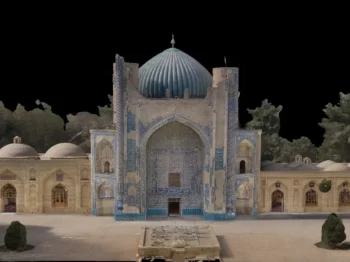
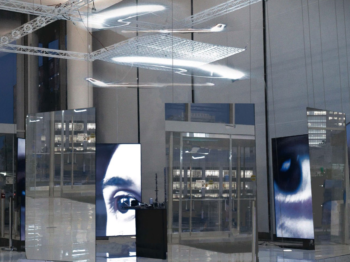
A digital rendering of the Green Mosque in Balkh, Afghanistan, a 16th Century building. Image: Nikolaos Vlavianos. Ways of Seeing: Documenting Endangered Built Heritage in Afghanistan Generating digital twins to document endangered heritage sites in Afghanistan
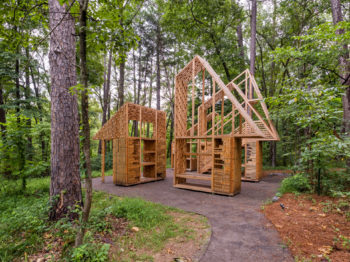
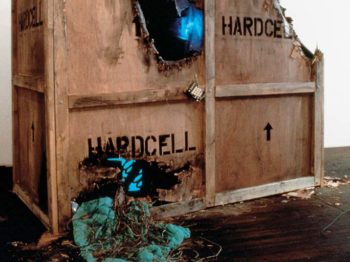
Installation view of Totem House, by studioSUMO, Crystal Bridges Museum. Image credit: Ironside Photography. Histories of Negation | BLACK city: The Arkansas Edition Giving presence to absent histories
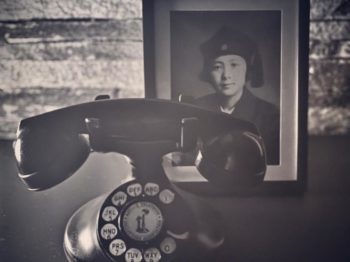
Kazuko Ishii and a black telephone, TeleAbsence. Image courtesy of Hiroshi Ishii. TeleAbsence Addressing the vast emotional distance caused by the loss of a loved one
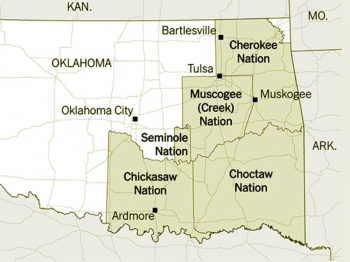
Map courtesy of the Oklahoma Department of Transportation. Native America: The Choctaw Music of Charles Shadle Capturing contemporary classical music by a living Choctaw composer
Ken Urban's The Conquered. Courtesy of the artist. The Conquered A new multimedia theater piece inspired by innovations in neurotechnology
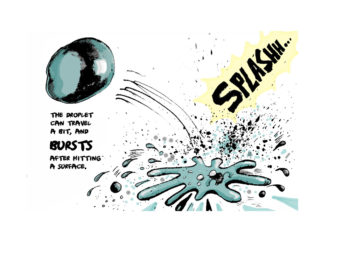
Be Aware of Droplets and Bubbles, by Lydia Bourouiba and Argha Manna. A Paradigm Shift in Infectious Diseases Critical role of paradigm shifts in science illustrated through respiratory infectious disease transmission
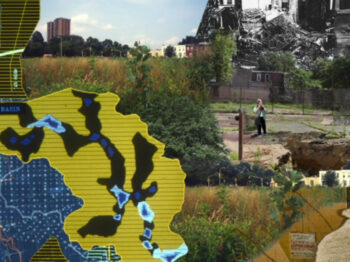
In Search of the Buried River. At the heart of the story is Mill Creek, a river that was buried in a sewer, and a West Philadelphia neighborhood that bears its name. Credit: Melissa Isidor Making Change: In Place Over Time What does it mean for research to be racially just and restorative?
Southeast Chicago Archive and Storytelling Project. Image courtesy of the artist. Southeast Chicago Archive and Storytelling Project History is made through the objects we save and the stories we tell about them
DesignEarth's Climate Inheritance, 2021. Courtesy of the artists. Climate Inheritance World Heritage at Risk
Two Mobility Futures, 2022, MIT. Courtesy of the artists. Two Mobility Futures 0∞ Divergent futures where humans move constantly, or not at all
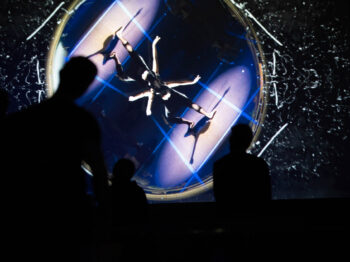
The Hammer and the Feather is an immersive audio and visual installation, developed at MIT by technical instructor Christian Frederickson and visual artist and filmmaker Greg King. Bridging humanistic and scientific inquiry, the piece uses gravity as a poetic and conceptual departure point for musical, visual, and sonic material. Photo by Danny Goldfield https://bit.ly/3a8YjxW Please ask before use The Hammer and the Feather Exploring the sonic poetry of gravity
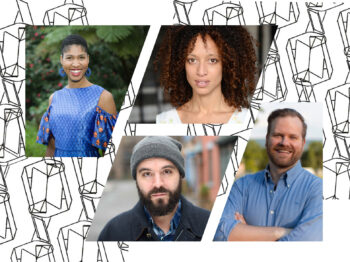
Queer-Feminist-Antiracism Future and Design for the Future cotaught by Danielle Wood (top left) and J. Austin Eyer (bottom right) with guest artists Jennifer Harrison Newman (center top) and Paul Lieber (bottom center). Queer-Feminist-Antiracism and Design for the Future Exploring dynamics of intersectional identities in complex systems and theater
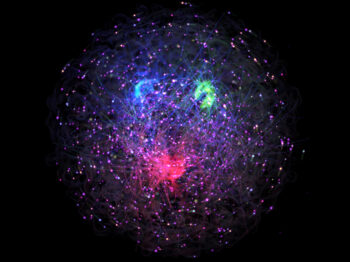
Proton Animation. Courtesy of James LaPlante, Sputnik Animation. © MIT and Jefferson Lab, 2021, All Rights Reserved. Visualizing the Proton Illustrating the subatomic world
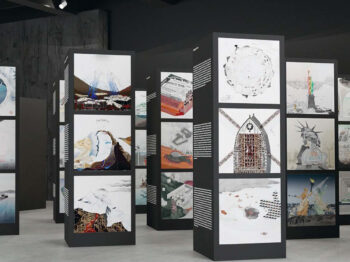
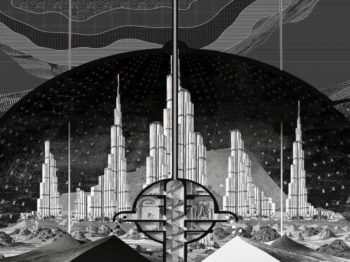
Rania Ghosn/DESIGN EARTH, The Planet After Geoengineering, 2021. Courtesy of the artist. The Planet After Geoengineering Speculative futures for planet Earth
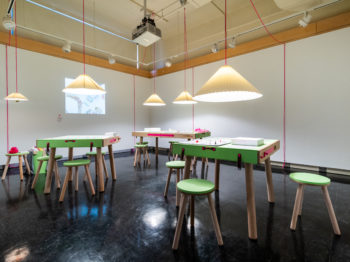
Ana Miljački, Play Room Exhibition, MIT Keller Gallery, 2020. Credit: Justin Knight. Critical Broadcasting Lab Intervening in contemporary architectural discourse
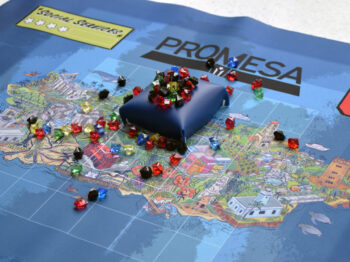
Promesa Board Game: Understanding Puerto Rico’s debt crisis through play. Image credit: HErickson/MIT. Promesa: Voicing Counter Colonialism Through Board Game Creation Understanding Puerto Rico’s debt crisis through play
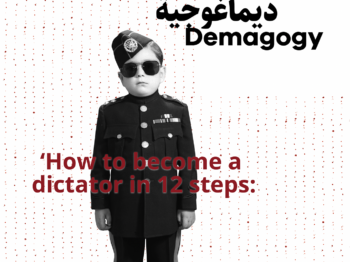
How to become a Dictator in 12 steps. Detail from the interface for the Anatomy of Revolution website (in progress). [Photo of child, courtesy the Arab Image Foundation]. 2020. Anatomy of Revolution Archiving movements of protest
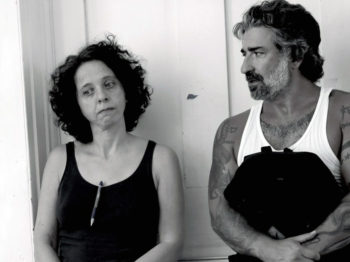
Natalia deCampos and Fabio Tavares perform in a workshop of Immense Joy/Hots. Credit: Ana Busto. Immense Joy / H.o.t.S Clarice Lispector’s brutal and tender exploration of what it truly means to be poor
Rendering for See Us Seesaw Together. Credit: Ana Miljacki and the Critical Broadcasting Lab. See Us Seesaw Together Kinetic connection at a physical distance
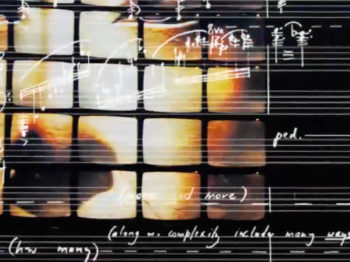
VALIS. Courtesy of Tod Machover. VALIS Reimagining live performance interactivity for a new generation
Cristina Parreño Alonso Cristina Parreño Alonso’s Tectonics of Wisdom Expanding architecture’s temporal sensibilities through the material ancient wisdom of the library
The Open Collectives team is initiated by MIT’s Future Urban Collectives Lab founded and directed by architect Rafi Segal (back right), in collaboration with MIT Civic Data Design Lab director Sarah Williams (front), artist Marisa Morán Jahn (left), and futurist Greg Lindsay (not pictured). Photo: Marisa Morán Jahn. Rafi Segal and Marisa Jahn’s Architecture for New Collectives
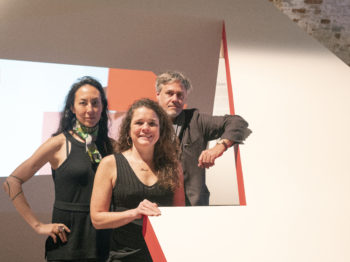
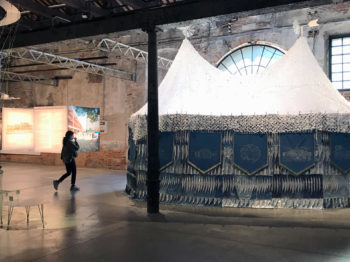
Azra Aksamija, Displaced Empire, 2021. The Imperial Banner depicts refugee designs as a conduit for heritage and cultural reproduction at Azraq. Laser burned drawing on denim. Courtesy of the MIT Future Heritage Lab. Azra Akšamija’s Displaced Empire How does Al Azraq Refugee Camp live together?
Viola Ago and Hans Tursack. Courtesy of the artists. Hans Tursack and Viola Ago’s Understorey Toward a twenty-first century ecological design