
We may never unravel the complex DNA that codes for human creativity. Some artistic talents seem to take shape from thin air, inexplicable and otherworldly. Others appear more human, the fruit of hard work and perseverance. But no talent, whatever its form or origin, can emerge or survive in a vacuum. All of them need a base—a system of support in which they can take root, grow, and flourish.
The MIT Arts Startup Incubator encourages students to build the support systems that are so vital for the arts. “This program applies just the right amount of pressure to compel students to think through their ideas for an art-based business,” says Melissa Castro, a Boston-based real estate professional who has mentored teams at the MIT Arts Startup Incubator over the past two years. “And it gives them a structure in which they can come up with a presentation that will showcase how their business ideas are viable.”
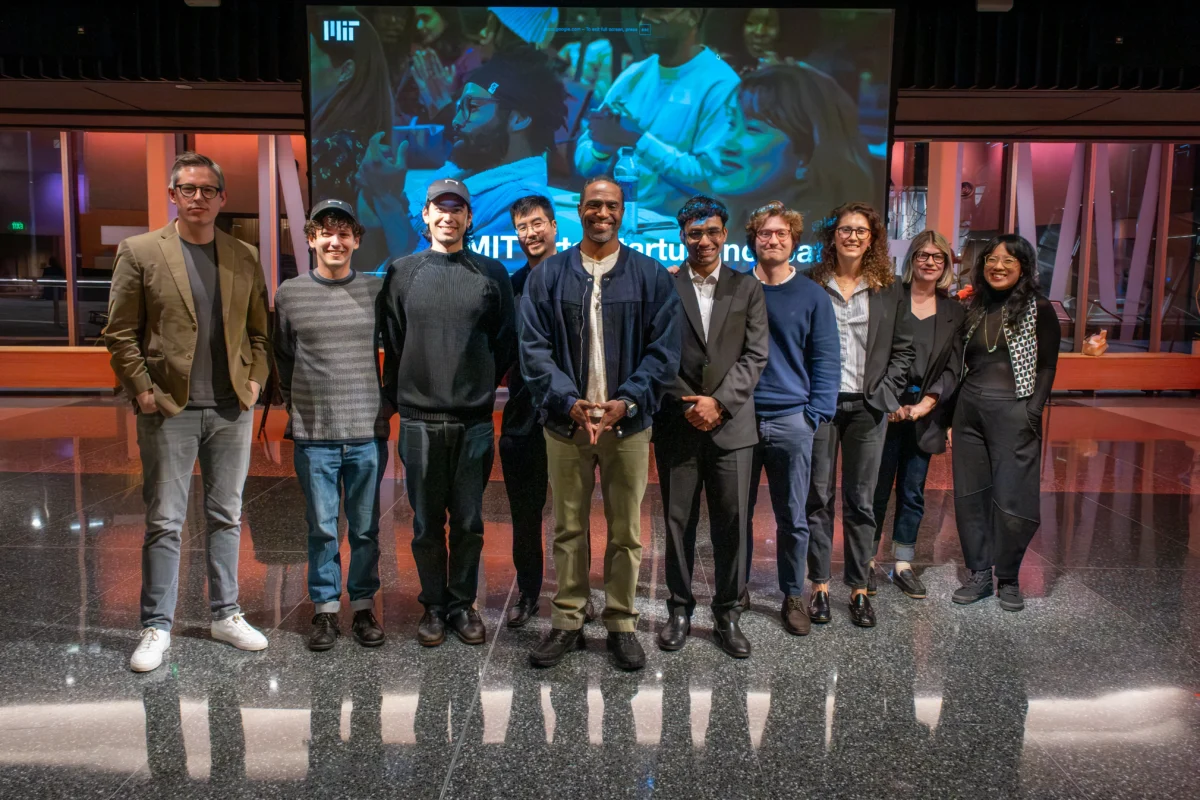
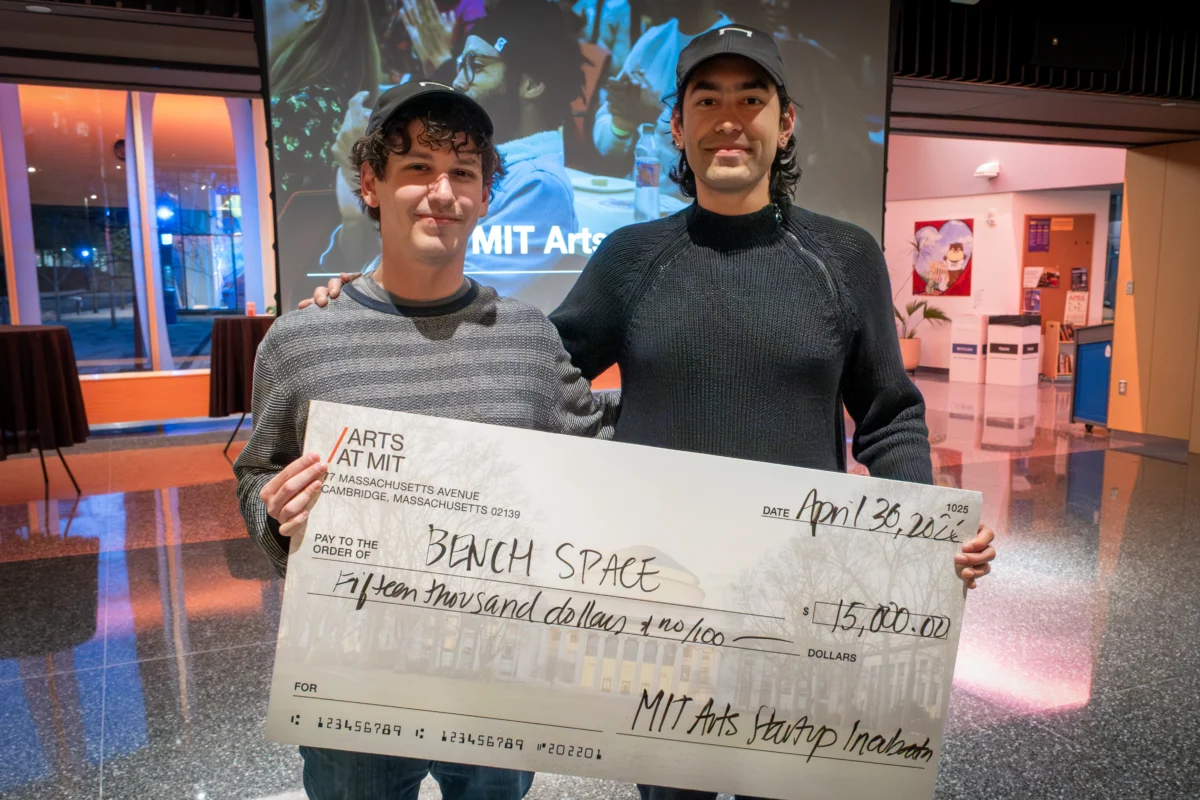
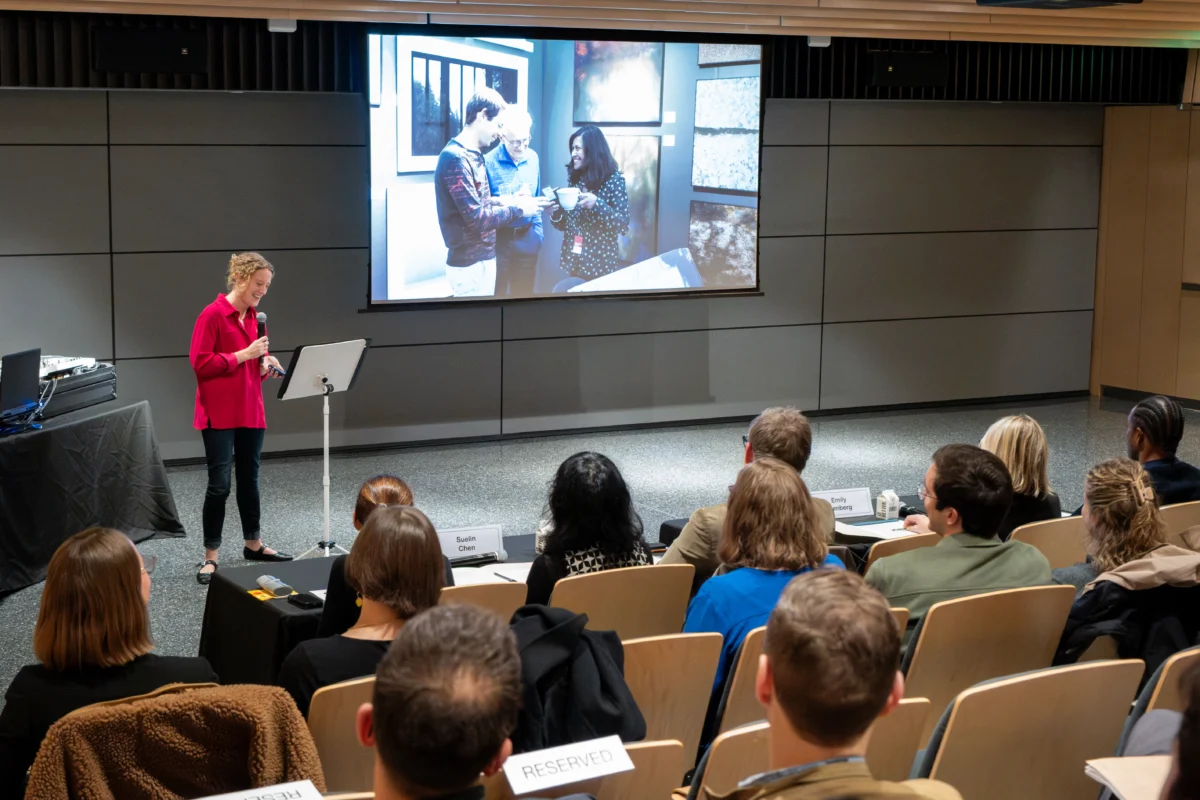
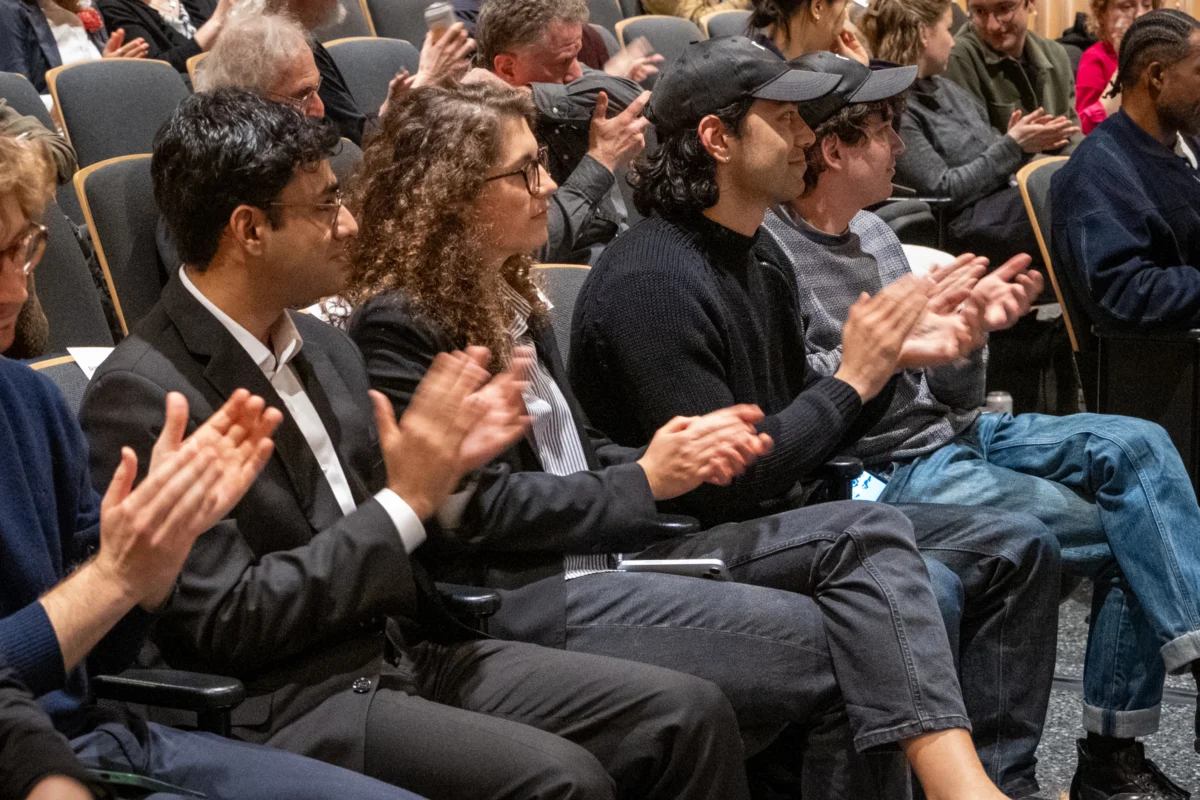
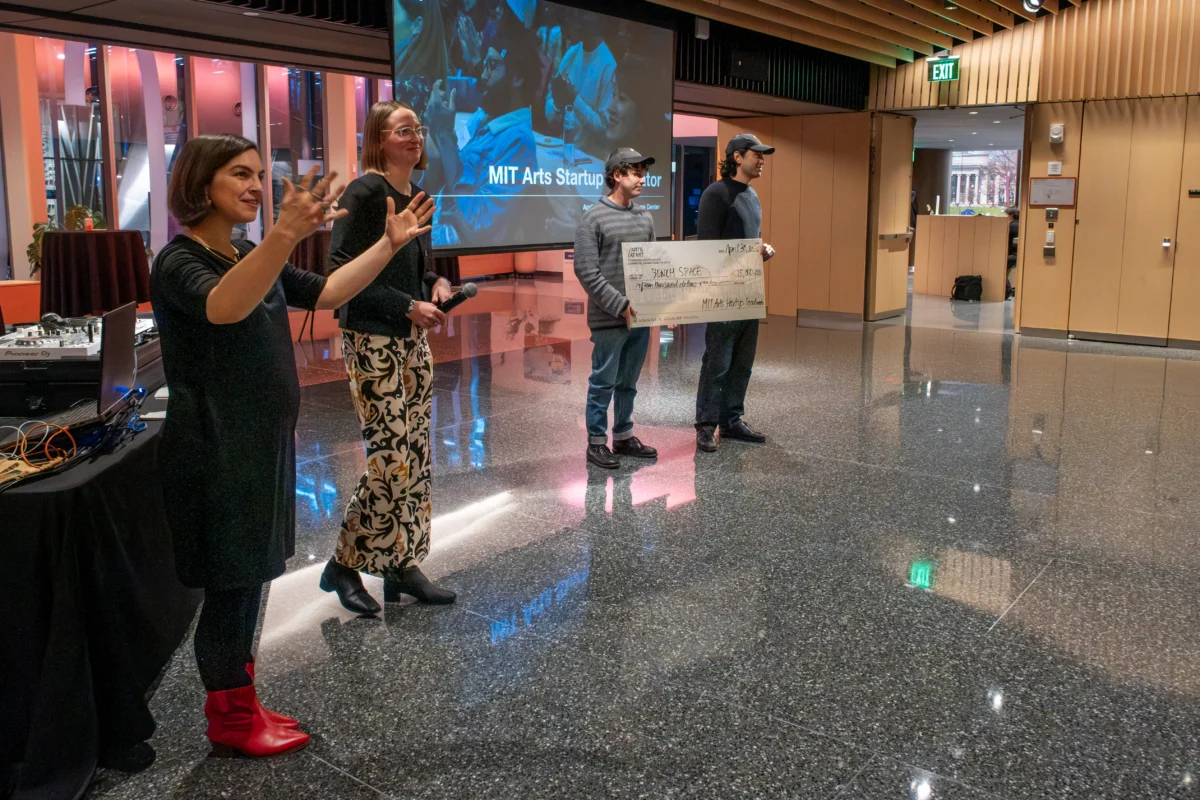
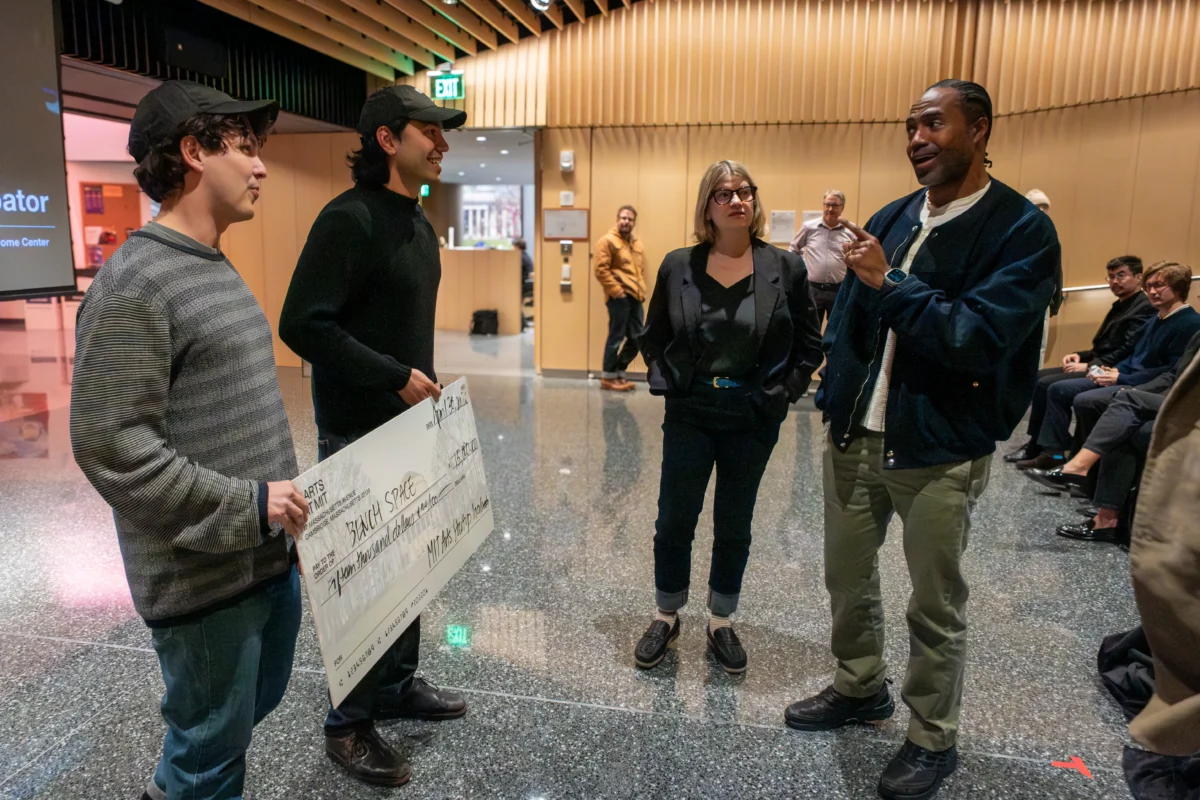
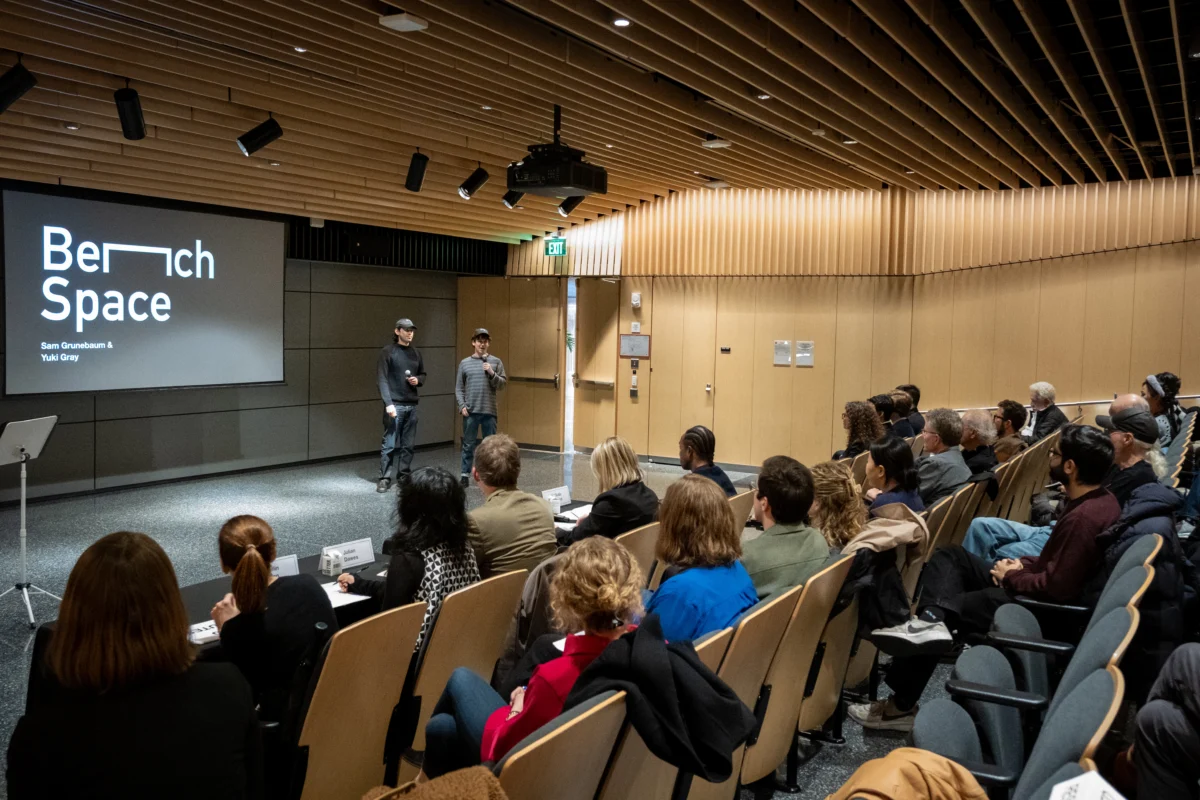
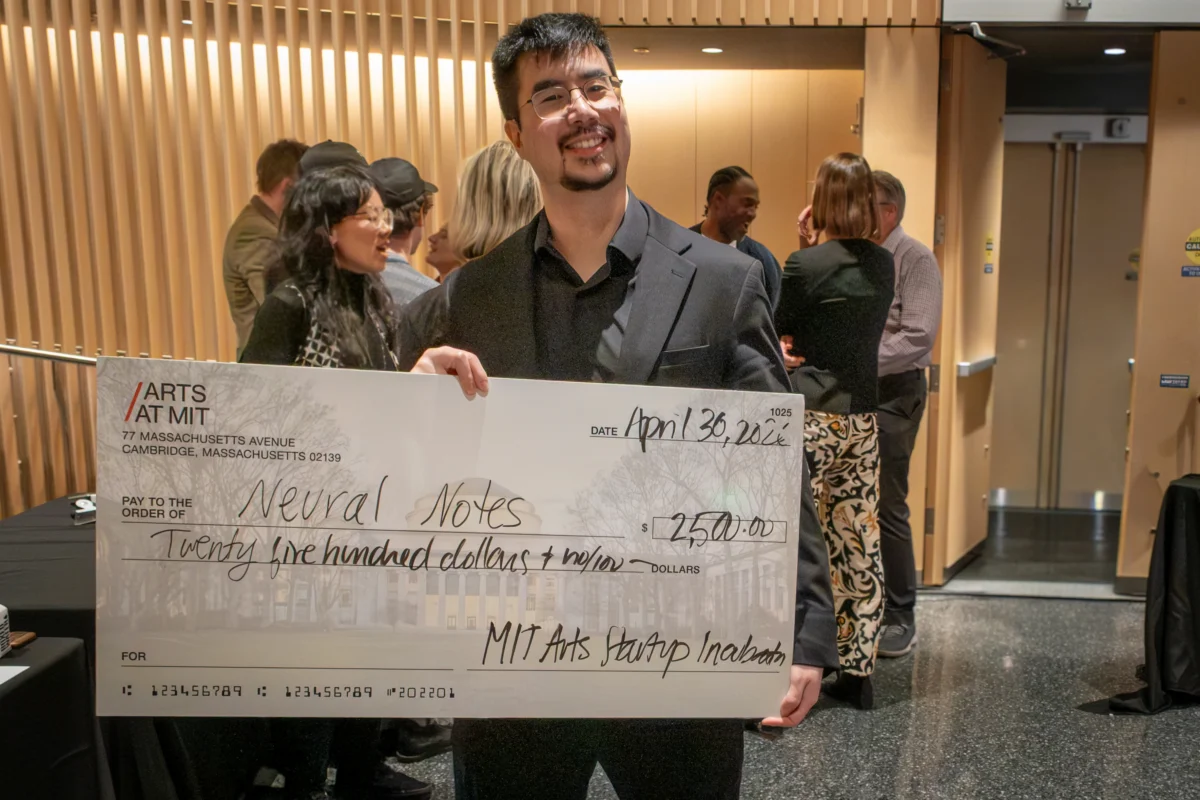
Ten student teams signed up in September for this year’s edition, defining, refining, and shaping their proposals for a viable creative venture. On April 30, five finalist teams presented their five-minute pitches to a four-person panel of expert judges at a public event at the MIT Welcome Center. Bench Space, a platform that connects makers and artists to short-term studio and workshop rentals, took the $15,000 first prize. The four other semifinalist teams received $2,500 each.
“We were definitely surprised when we were announced as winners,” says Yuki Gray March ’27, who partnered with Harvard graduate student Sam Grunebaum on Bench Space. “All of the presentations were amazing, and there was a lot of good competition. It was incredibly valuable for us to present to a live audience and to field so many good questions from the judges.”
There Is History
Launched in 2013, the yearlong competition and collaboration includes workshops and instruction on venture building, market research, prototyping, customer acquisition, financial planning, branding, and several rounds of pitch coaching. Past winners include a global music mentorship program, a mural painting program for India’s oppressed transgender community, and a company that connects brands with indigenous and rural artists.
“What struck me most was how much curiosity each team brought to every session,” says Lisa Tacoronte, a Boston-based design strategist who served this year as Interim Program Lead at the Arts Incubator, managing the program along with MIT Arts Producer Philana Brown. “The peer-to-peer moments, the honest feedback, the encouragement during workshops, were some of the most meaningful parts of the program to witness.”
A Matter of Time and Space
Like many designers and makers, Gray had often struggled to find affordable, available, and appropriate workspaces. But the idea for Bench Space only took shape after he and team partner Sam Grunenbaum signed up for the MIT Arts Startup Incubator. “The Incubator gave us the space and motivation to think more deeply about the problem,” says Gray, who previously worked in furniture design.
Gray describes the yearlong Incubator process as far more collegial than competitive. “The mentors were especially helpful for us in branding our idea,” he says. “They showed us how to come up with a message that makes sense not just to us but also to our potential partners and customers.”
A Tool I Wish I’d Had
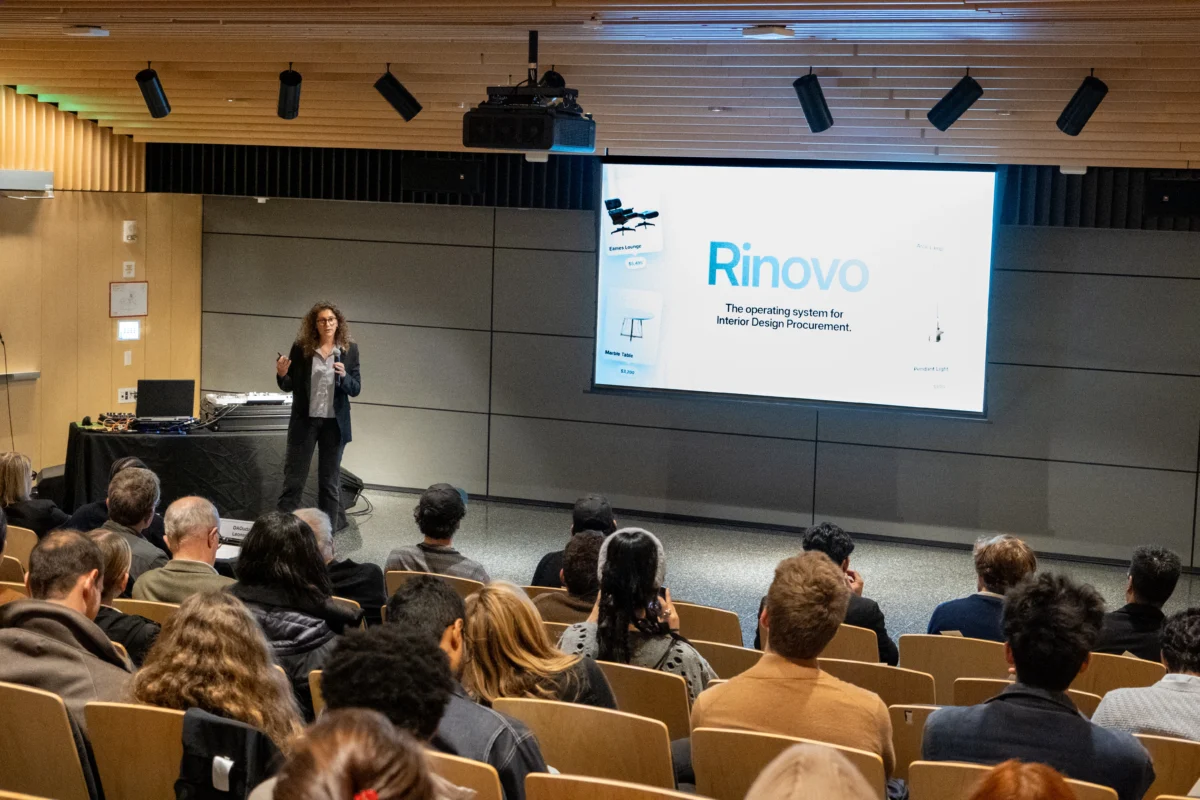
Teams participating in the MIT Arts Startup Incubator often change their logos and pitch decks during the year. They just as often change their business model. Rinovo, an AI-powered interior design platform that automates the procurement process, was originally conceived for end customers. “The platform addresses the most annoying process in interior design—sourcing materials and items,” says Rinovo’s Zoe De Simone, an interior designer completing her PhD in computer science. “Ask anyone who has bought a sofa.”
Rinovo streamlines the procurement process, trimming the time normally spent locating and ordering materials from a matter of months to a matter of days. Working with mentors, De Simone realized she couldn’t scale the platform for retail customers. “It made no sense to market to people who buy a sofa once every 10 years,” she explains. “We saw it would be more viable to target designers—with people who make these types of decisions every week.”
And All That Jazz
Music usually presents as a social activity, something to be made and enjoyed in good company. But many aspiring and professional musicians practice and even play alone, with limited opportunities for community or feedback. This is the problem Mike Jiang wanted to solve with Neural Notes, an AI-powered music platform that transforms isolated practice time into interactive jam sessions, inspiring musicians to persevere and improve.
“I knew this idea had an interesting research element,” says Jiang, a PhD student at the Media Lab, jazz pianist, and a former youth swimming and chess champion in Switzerland. “Applying AI to jazz improvisation. But I didn’t know if what I had built would help people learn to improvise. Through this incubator, I was able to conduct market research, to talk to people I might not otherwise have reached. It helped put the focus of the platform on the end user.”
Every Click and Every Swipe
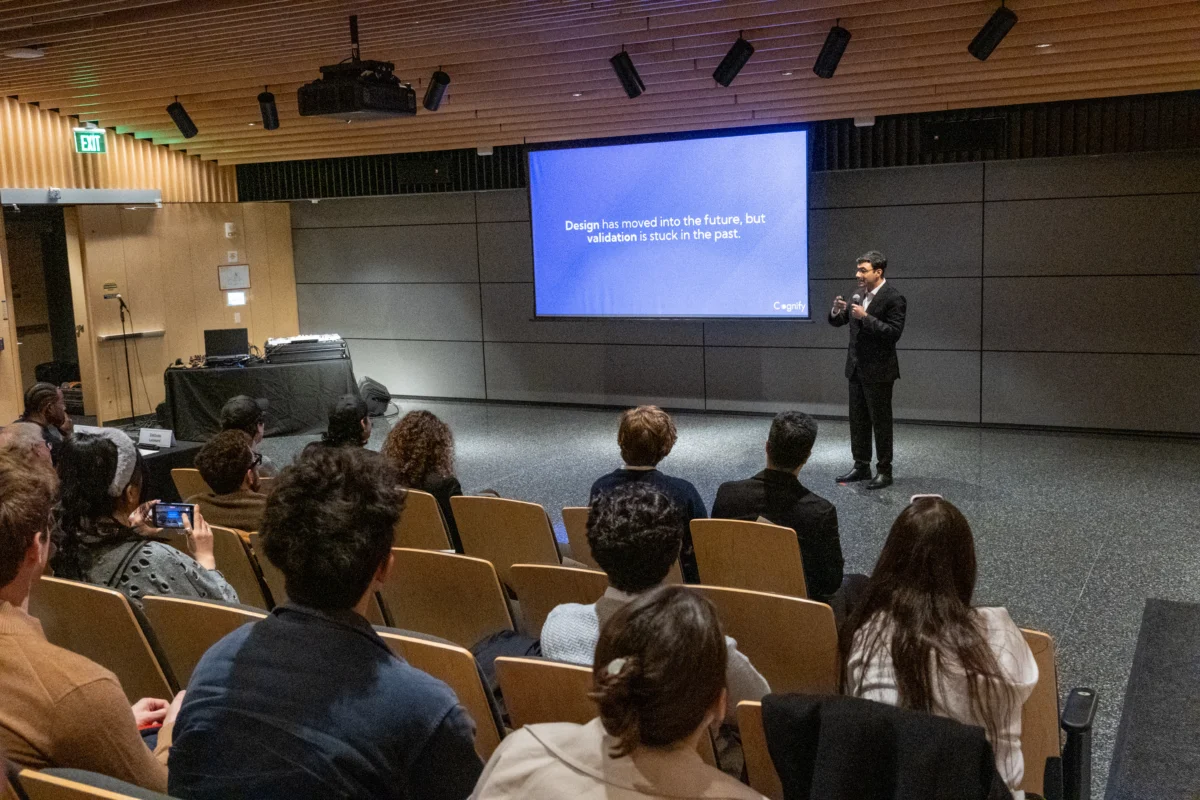
With the hyperabundance of apps in use today, it’s easy for end users to overlook the cascade of creative decisions that make an app feel seamless. “Every click and every swipe is the result of a design decision,” says Cognify’s Hamza Mubashir, who worked with an MIT Sloan student, and graduated from his master’s program in Electrical and Computer Engineering at Northeastern University hours before Thursday’s final pitch session.
While designers can make informed decisions, they can’t know just how their app will be received. For that the app needs to be tested with a human audience—a process that typically lasts weeks or months. Cognify uses AI to create virtual humans that engage with the app and provide feedback, saving designers valuable time and speeding the shortening app’s path to market. “I’d been in another incubator, where we’d focused on the software aspect,” says Mubashir. “This process helped us look at the platform from a creative angle, to understand how to create and market for someone working in the design space.”
Building Trust into the Art Market
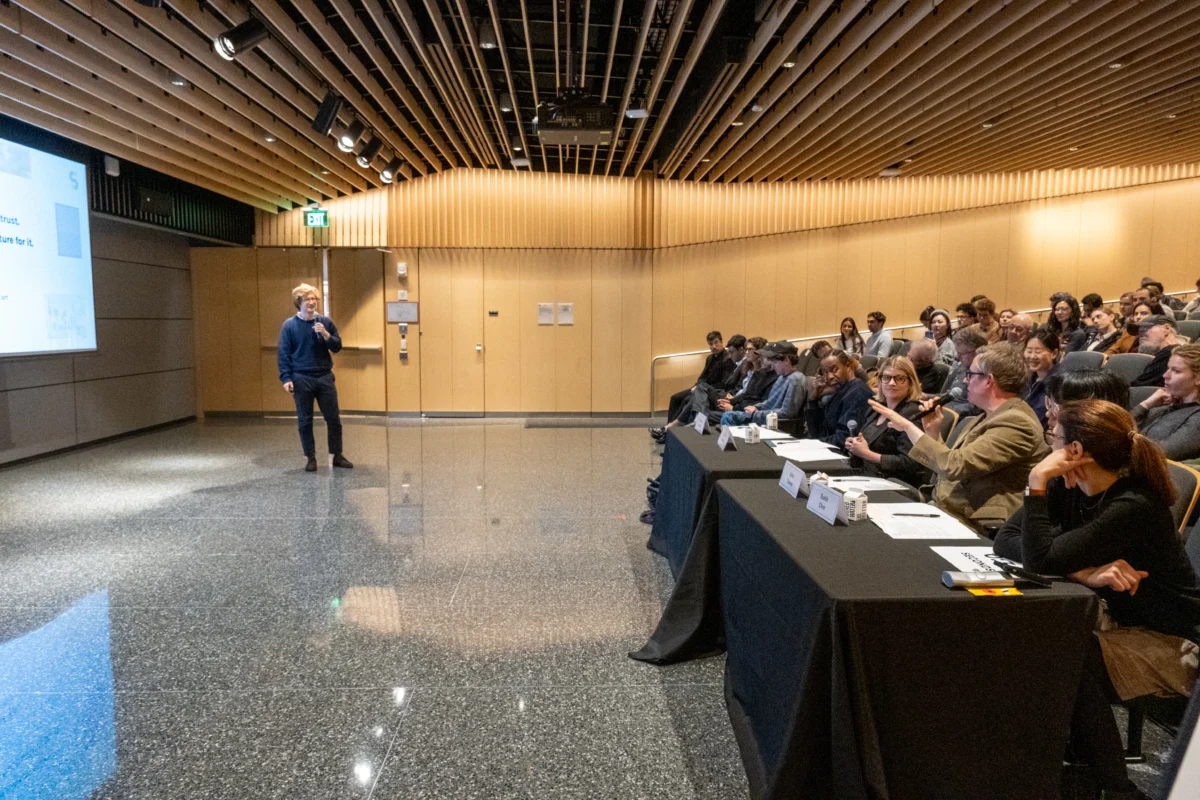
Alvaro Jimenez de Andrade MBA ’26 and his brother Jorge have identified a pressing problem in the contemporary art market: a lack of trust. “Too many sales involve artworks that have no provenance, no legal certainty, and no transparency,” says Jimenez de Andrade, co-founder of Sóter. Powered by AI, the online platform connects artists, galleries, and collectors in a single, transparent ecosystem. Artists register their artworks with Sóter, obtaining a digital identity. The platform also registers gallery sales and ownership through legally certified contracts. “The art market runs on trust,” he says. “And we built the infrastructure for it.”
Written by Ken Shulman
Editorial direction by Leah Talatinian