

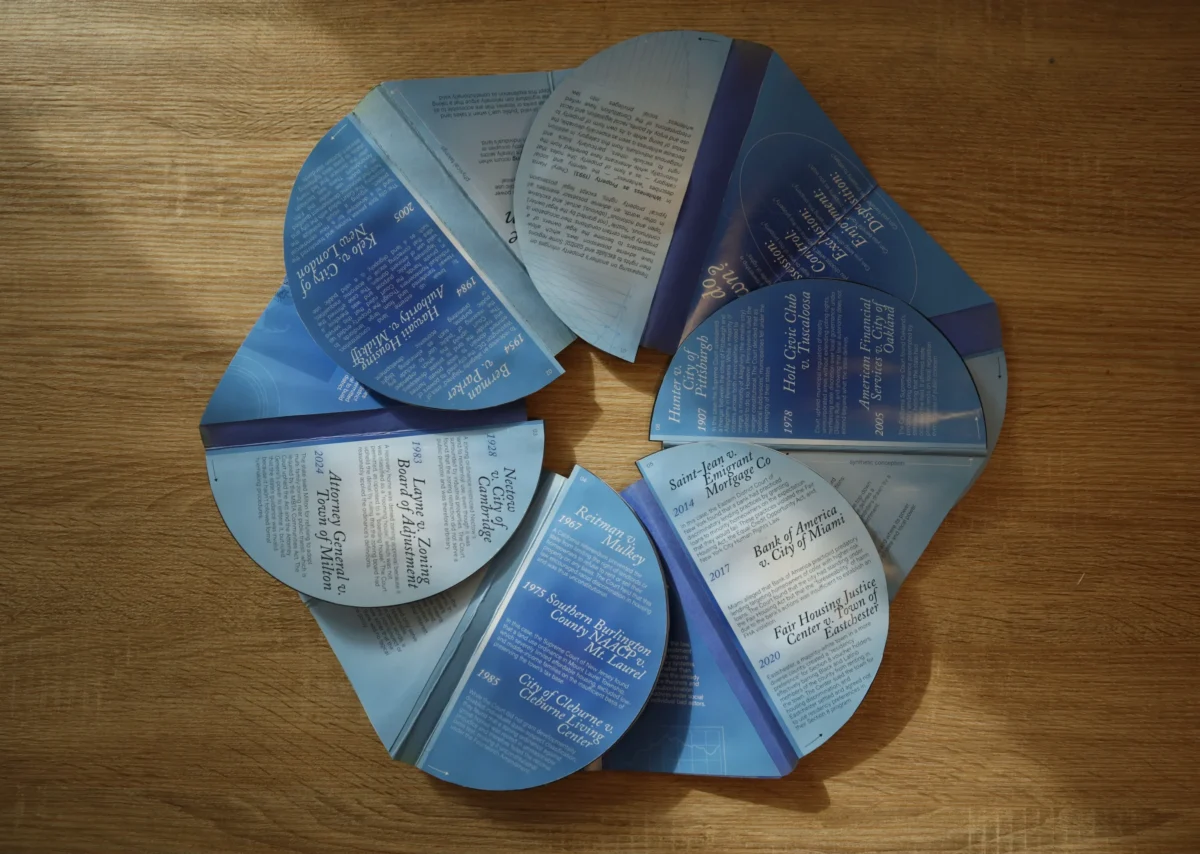

Clay Lewis, Andrea Marcano-Delgado, Perry Naseck, and Gloria Zhu were chosen this year
Since 1979, the Council for the Arts at MIT (CAMIT) has been honoring members of the MIT community for their arts-related contributions with the annual Laya and Jerome B. Wiesner Student Art Awards. Named after past MIT President Jerome B. Wiesner and Laya Wiesner, the four awards each come with a $2,000 honorarium.
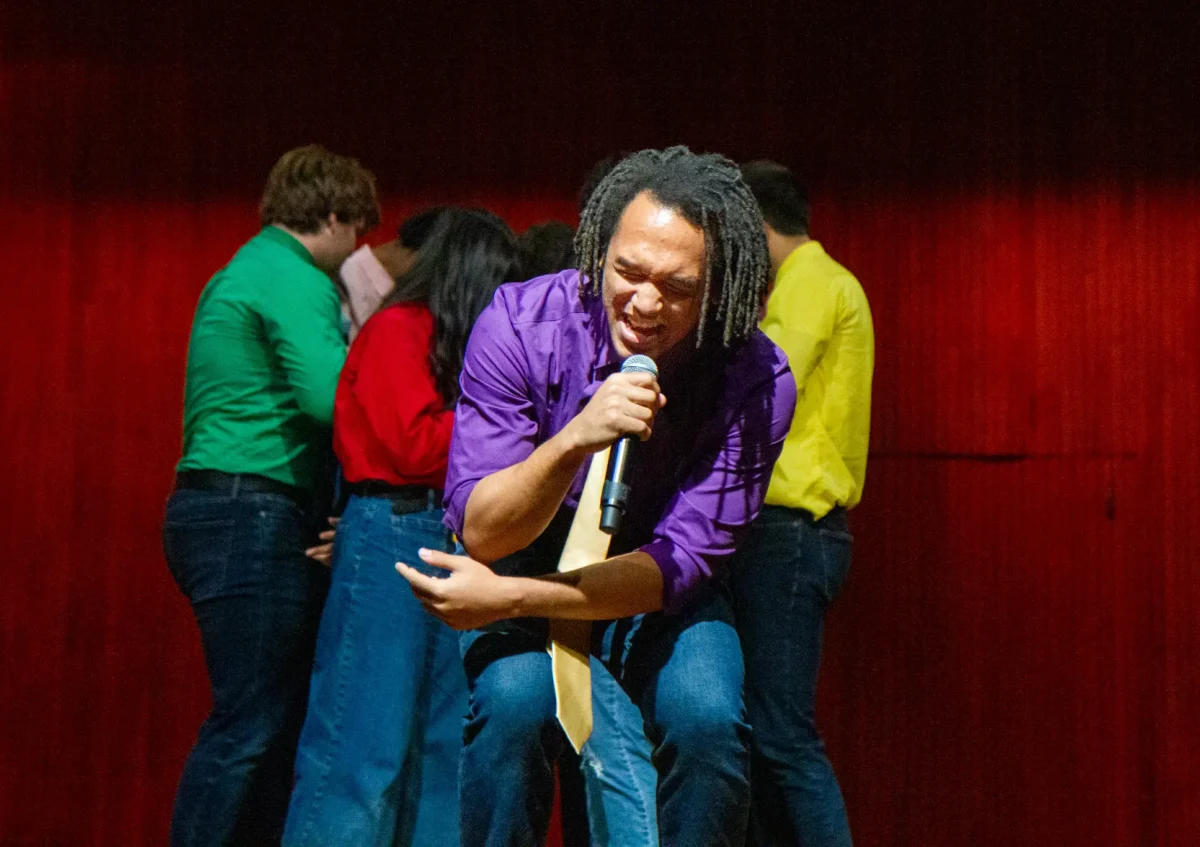
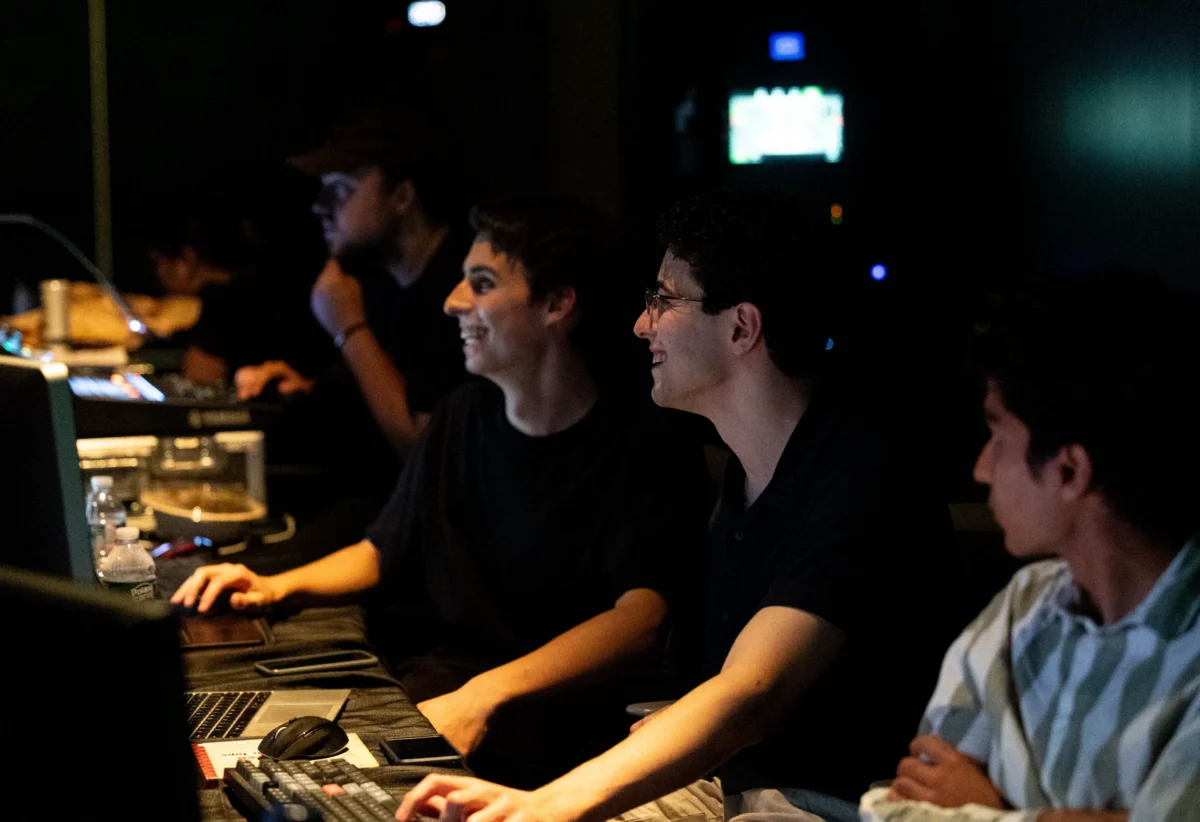
Clay Lewis ’26: Knowing the score
Lewis doesn’t remember a time when he wasn’t interested in the arts. He acted in school plays, for example, and when he was about 10 years old, he started teaching himself to create hip-hop beats on his computer. But the lightbulb moment came in his mid-teens, during a car ride with his mother. “I showed her this song I had discovered and her reaction was, ‘Oh wow, you must really love music,’” Lewis recalled. “I had always seen music as a hobby but after that I started to realize it might be a path I’d want to go down in terms of a potential career.”
Now 22, Lewis has flourished at MIT, where he is majoring in music with a minor in computer science. Combining classes and extra-curricular activities, he has explored styles and techniques, and honed his interest in film scoring. As a member of the vocal group the Logarhythms, for example, he played a crucial role in creating and producing soundscapes for their films “Mission ImpLOGible” (2023) and “Log Log Land” (2024). “The environment at MIT is very conducive to collaboration and to bringing a lot of really talented people together,” Lewis said.
Associate music professor Patricia Tang described him as “a once-in-a-generation film music composer who has impressed all of his music professors with his compositional talent, strong work ethic, and intellectual curiosity and breadth.”
For his next step, Lewis is heading to the University of Southern California, where he will study in the highly selective graduate program in screen scoring. “I want to have a very open mind to just absorb everything,” he said.

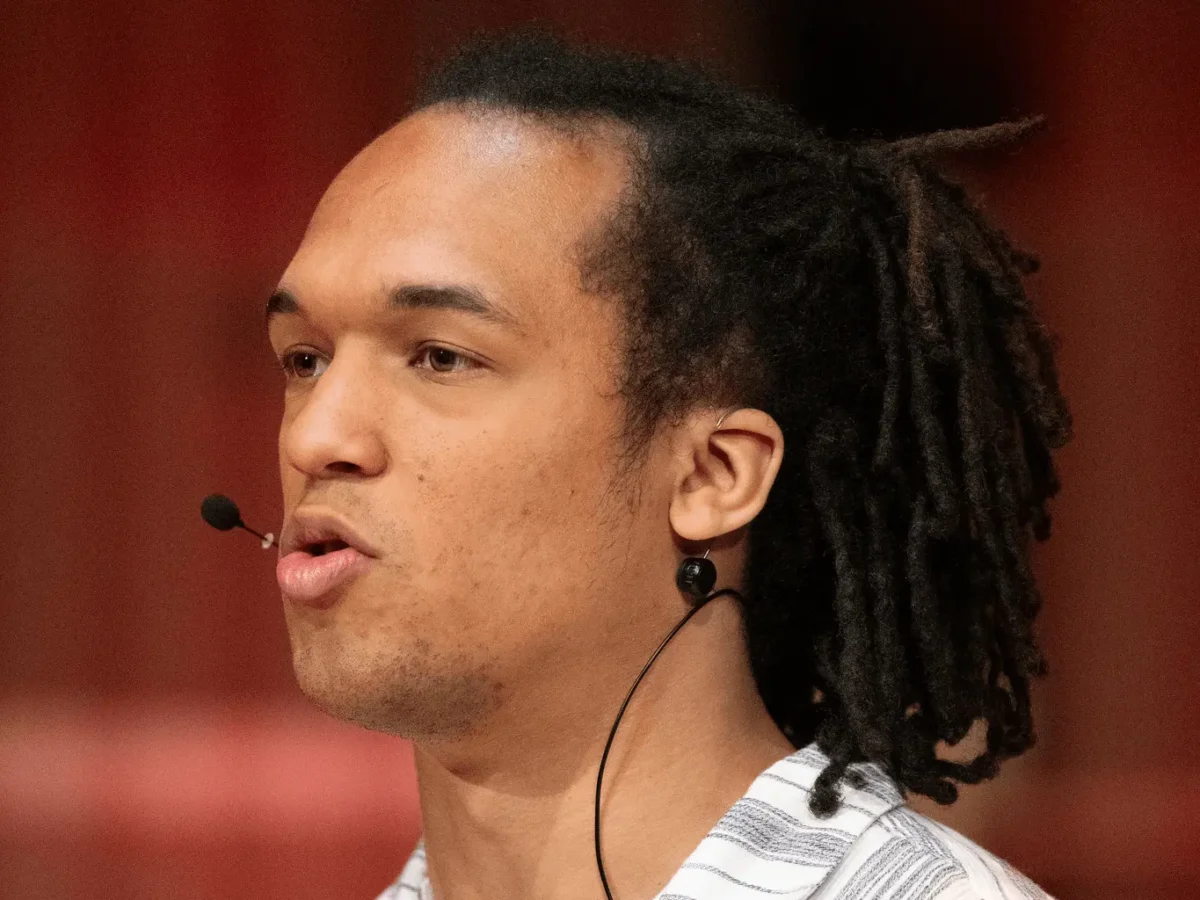
Andrea Marcano-Delgado PhD ’26: Channeling her voice
Marcano-Delgado grew up loving both science and music. For many years, the first got a formal outlet — after studying chemistry at the University of Puerto Rico-Humacao, she enrolled in a PhD program in chemical biology in Professor Catherine Drennan’s lab. As for music, Marcano-Delgado learned, she said, “by listening, absorbing, and participating.” Things changed at MIT.
The turning point came when she decided to apply to the Emerson/Harris Program — with just a week to prepare for its competitive vocal-jazz audition. She got in.
“I didn’t have formal training and I had no idea of what I was doing in terms of jazz,” said Marcano-Delgado, who was more familiar with pop, rock, boleros and Puerto Rican styles like bomba, plena, and salsa. “It was a pretty steep learning curve, but it was great.” Before long, she was helping drive the Latin music community on campus, co-founding the MIT Afro Latin Ensemble, which is coached by the legendary percussionist Eguie Castrillo. MIT’s own Frederick Harris, Jr., who has taught and mentored Marcano-Delgado, praised her as displaying “integrity, community, passion, belonging, and a seriousness of purpose in her work as an artist and scientist.”
For her next act, Marcano-Delgado will be stepping into the world of business and science, using cryo-EM (cryogenic electron microscopy, her graduate field of expertise). And of course, music won’t be far. “I definitely want to record an album and start a band,” she said. “I’m a very introspective person, and music, composition, songwriting are my way of showing people how I understand the world. I think about science the same way.”
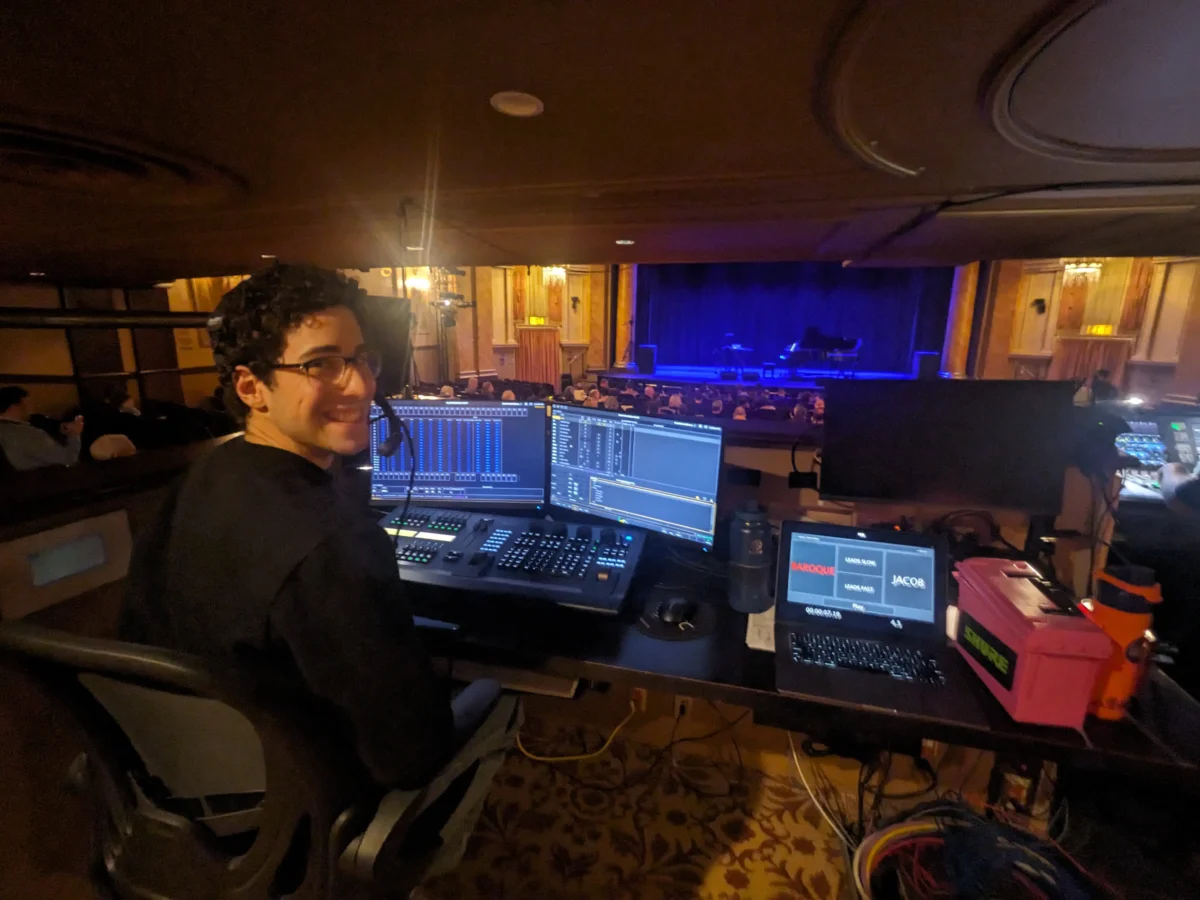
Perry Naseck SM ’25, PhD ’29: The arts’ indispensable support beam
Right before going to college, Naseck worked at a summer camp in his home state of Texas, where his duties involved handling the sound for the music sessions. “There were a lot of nights where I would just be sitting there in this beautiful harmony of people singing,” he said, “and I’d think, ‘Wow, I am helping them have this great experience together and putting smiles on their faces.’ That’s kind of guided a lot of my work: How do I have an effect on other people?”
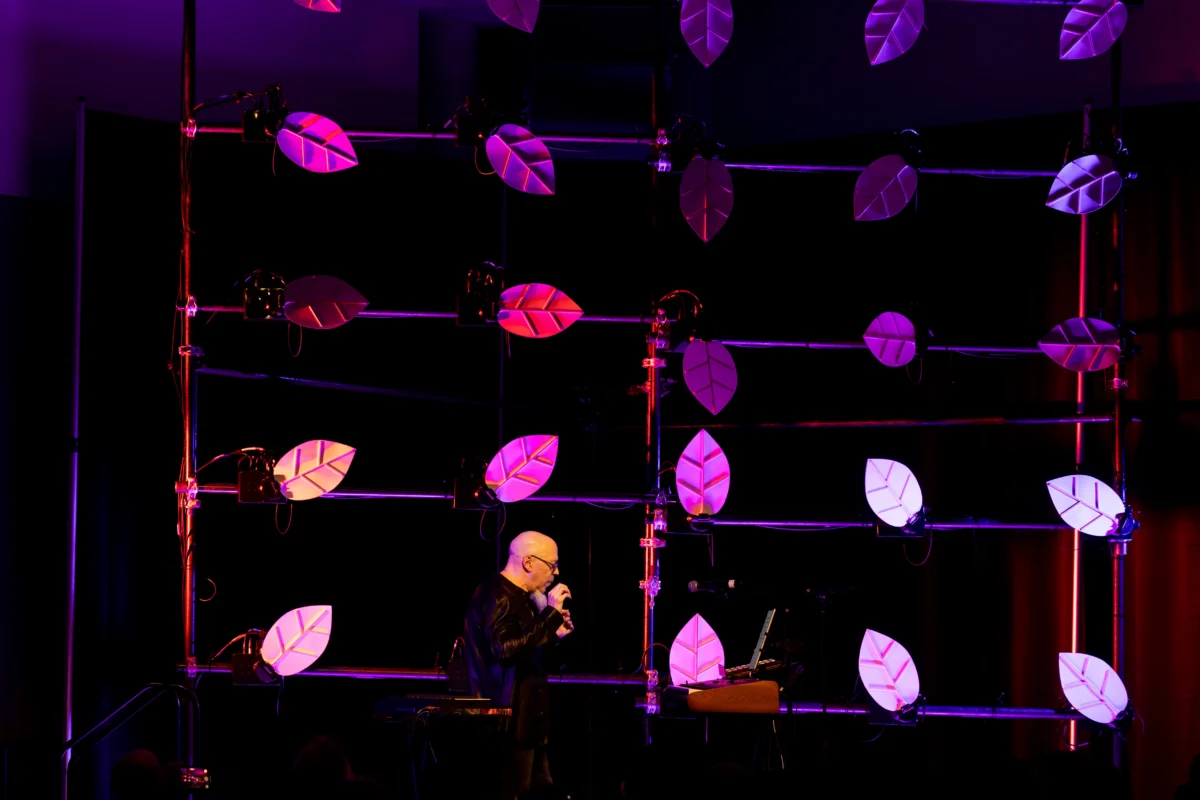
After earning a Bachelor’s of Engineering Studies and Arts at Carnegie Mellon University, Naseck, 26, worked on kinetic and light sculptures at the Hypersonic studio in Brooklyn, before heading to MIT for graduate studies; after an M.S. last year, he is wrapping up his first year as PhD student in the Media Lab’s Responsive Environments group. “I’m researching how to enable live concert visuals for improvised and AI-generated music,” he said. “AI doesn’t have a physical manifestation on stage and it becomes very difficult for the audience to understand what’s happening. So we want to provide some visual information that’s beautiful and abstract but also informative.”
In his three years on campus, Naseck has become a fixture of the MIT arts community, whether sitting in on the Future of the Arts Committee, lending his technical expertise to other students’ projects, collaborating with the CAST visiting artist Jordan Rudess, or acting as the de facto lighting designer for the Thomas Tull Concert Hall. “It’s enabled my research in that we can use that space and really make the best use of it,” Naseck said. “It’s been an amazing canvas.”
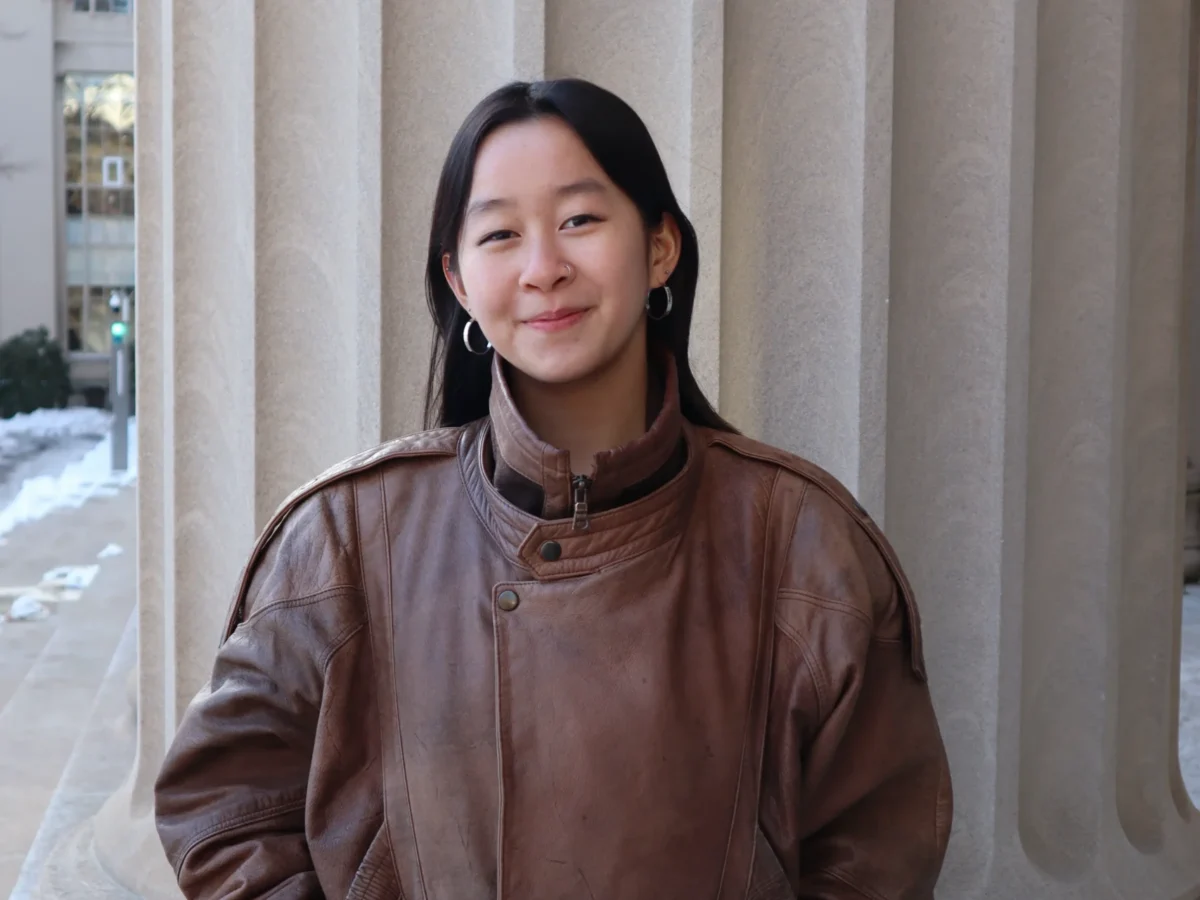
Gloria Zhu ’26: Designing life
It’s not all that surprising that Zhu became interested in computer science early on: She hails from the Bay Area, after all, and grew up surrounded by the tech world. But she also developed a love for design and the visual arts.
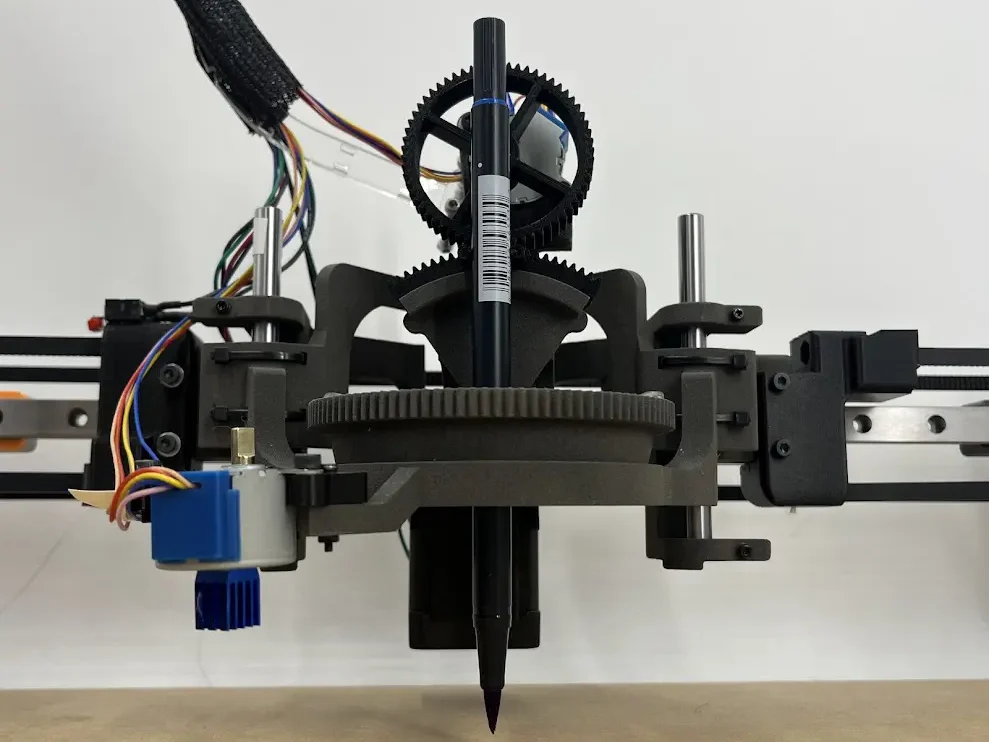
It will come as little surprise, then, to learn that Zhu, 21, pursued a double major in computer science and art and design, with a minor in comparative media studies. “I had the opportunity early on at MIT to work on ‘craft’ in mediums like metal, textiles, electronics and painting,” she said. “Then I became more interested in ways to use those skills to create works that build towards a cohesive art practice.”
Unsurprisingly, Zhu’s activities often feed into one another. For example, she spearheaded Sixty Sixty One, which used aluminum alloy 6061 to make metal outfits; the project was featured in the MIT fashion magazine Infinite and turned up at the 2024 MIT Gala.
“Being able to take classes in whatever department I want and basically do whatever I want, regardless of if it’s within my majors or departments, has given me a really broad view on how things interact with each other in the world,” Zhu said, “from really minute technical details up to civic structures.”
Supporting others is also important to Zhu’s, who has done graphic design for campus clubs and organizations, and has been a student mentor in MIT’s makerspaces for the past three years. For Lee Zamir, a technical instructor who managed her there, Zhu “is a rare and wonderful example of a broad thinker who is both technically skilled and creatively exploring with each new thing.”
The Council for the Arts at MIT presents several awards annually to MIT students who have demonstrated excellence in the arts.
Written by Elisabeth Vincentelli
Editorial direction by Leah Talatinian