
Four graduate artists win this year’s prize: Coco Allred, C Jacob Payne, Jessica Stringham and Harrison White
Each year, accomplished professionals enroll in MIT graduate art, architecture, design programs. They come in search of new skills. But they also bring their own considerable skills, along with a desire to find new avenues and applications for these. All four winners of the 2026 Harold and Arlene Schnitzer Prize in the Visual Arts came to campus with extraordinary abilities and experience. And all four found new ways to channel these into art.
Established in 1996, the Harold and Arlene Schnitzer Prize in the Visual Arts is presented to current MIT undergraduate and graduate students for excellence in a body of work in the visual arts. Each graduate student winner receives $5,000. Undergraduates are awarded prizes of $2,500.

I Know A Place (I’ll Take You There)
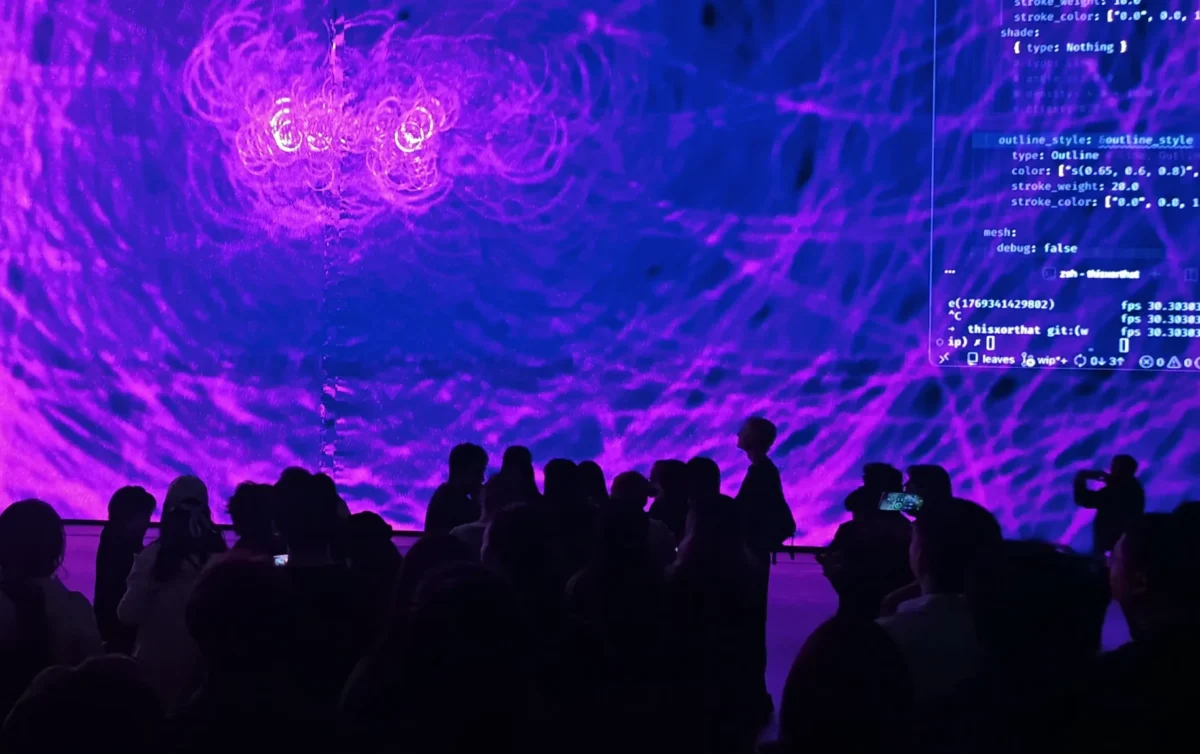
Jessica Stringham was well into a career in software engineering when they discovered live coding a few years ago. “I’d done some really cool data visualizations and systems diagrams at work,” says Stringham, SM, Media Arts and Sciences, ‘26, who’d been employed at Yelp and Spotify. “But then I found this community, all around the world, where two people sat live on-stage writing code, one creating dance music, the other creating visuals. And I became a visualist.”
Stringham creates real time visuals in Murrelet, an open-source live coding framework they began building in 2022. Stringham has created real-time (and not prerecorded) visuals, generating geometric forms and brilliant colors in myriad venues domestically and abroad, including at the MIT Museum. “The best part is when I can create visuals that enhance the musical experience,” they say. “And that sometimes surprise me as much as they surprise the audience.”
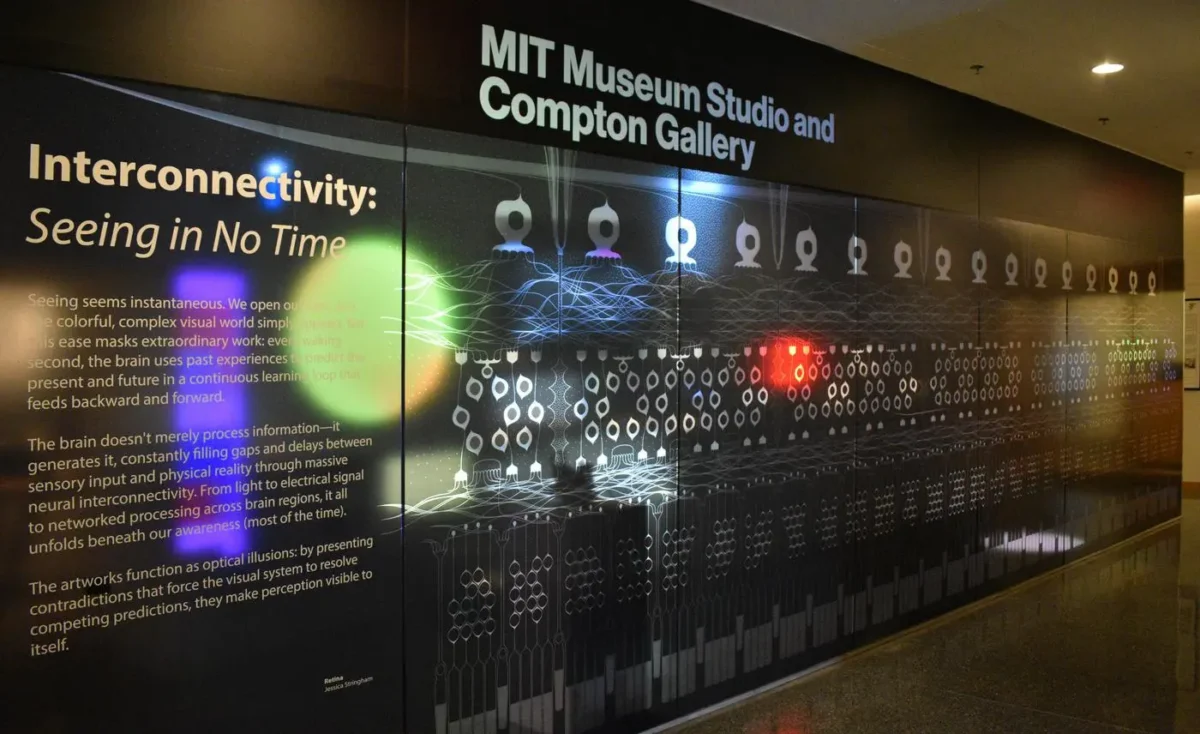
In addition to live coding, Stringham created Retina, a computational wallpaper inspired by anatomical illustrations of the eye’s retina; the piece was on view in the large front window of the MIT Museum Studio through April. The artist also has a body of computational art based on birdwatching, one of their passions. “Essentially, I am a tour guide and I’m going to lead you through these areas I am slightly familiar with.”
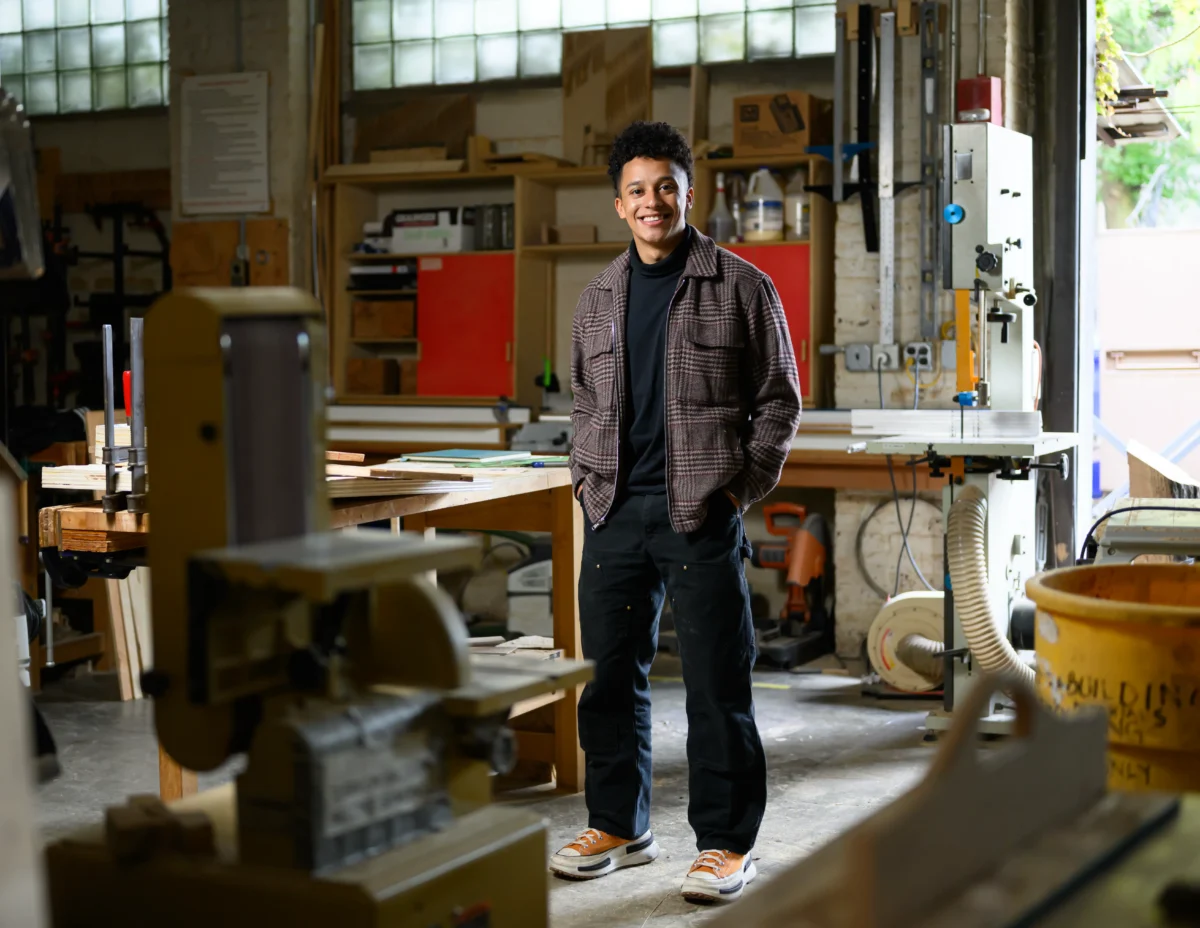
(Partial) Remembrance of Things Past
“As a designer, I’ve always been fascinated with the past,” says C Jacob Payne, MArch ’27, and a member of the Design Intelligence Lab. “What things we should take, what things to improve, and how the ways we view the world can be informed and reinformed by the past.”
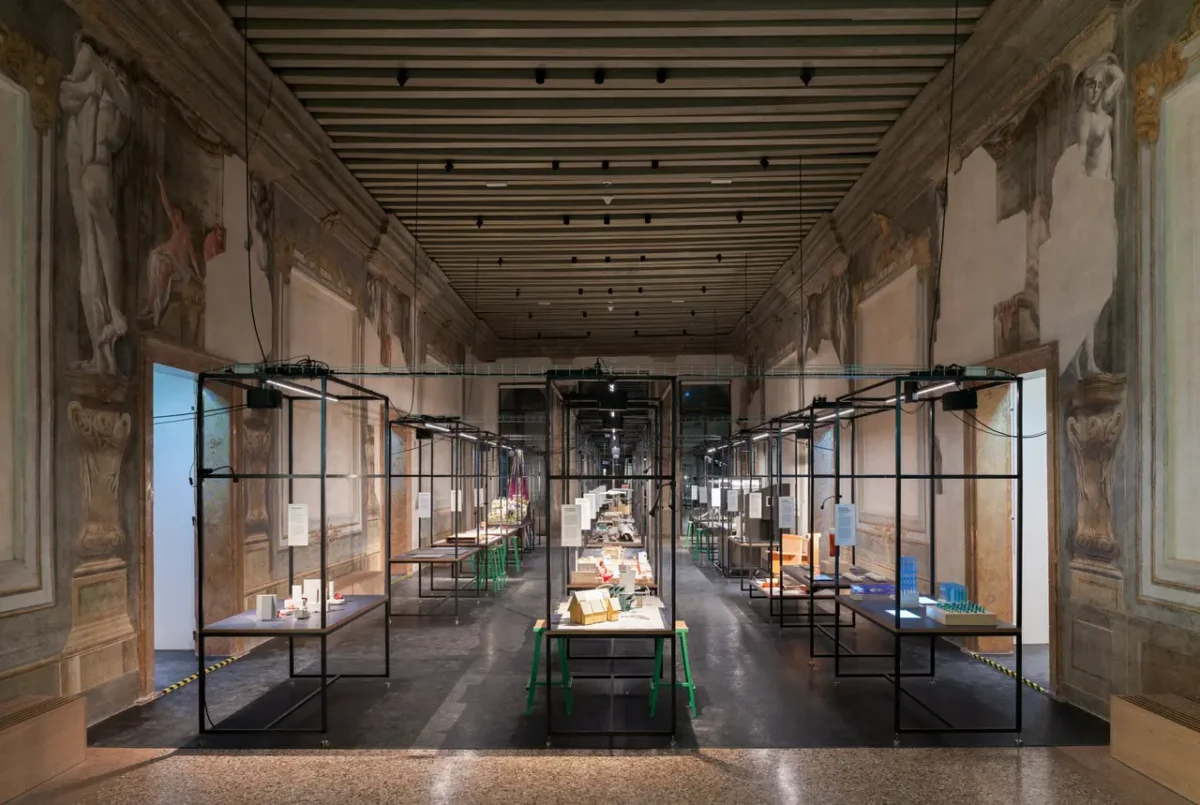
Payne’s fascination led him to a 1990 book featuring photographs of Juke Joints—the informal African American live music venues once found across the U.S. South—and to produce architectural drawings, renderings, and models based on the photographs. In “Demar’s Place,” a model featured in “Juke: Built Off The Record,” on this Spring at the Wiesner Student Art Gallery, Payne evokes the spirit and space of this largely vanished world. A five-minute light and sound loop recreates the juke’s 24-hour daily cycle.
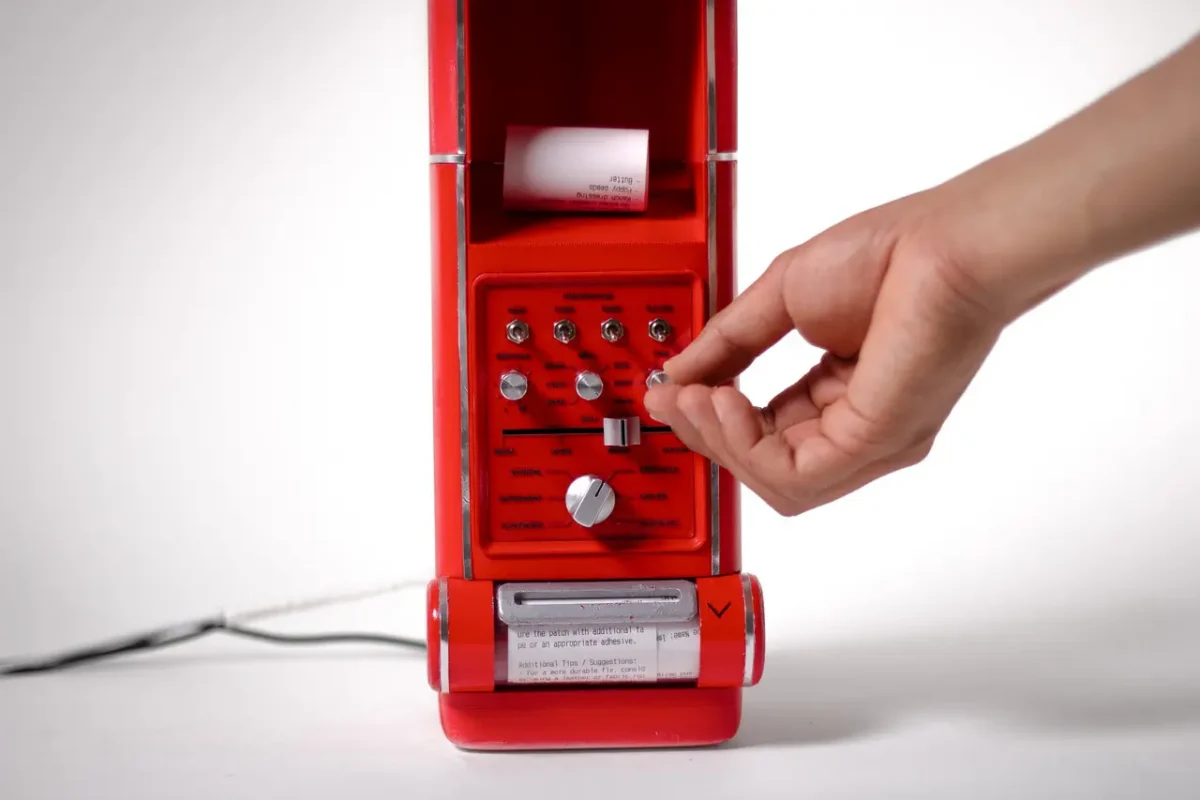
The past also plays a primary role in “Kitchen Cosmo,” a playful interactive culinary device inspired by the 1969 Honeywell Kitchen Computer. Rather than reclaiming the past, Payne here redeems a massive (and largely impractical) domestic device, endowing the new and smaller machine with computer vision and artificial intelligence yet preserving the same look and feel as the original object; users interact with the device through knobs and sliders instead of screens.
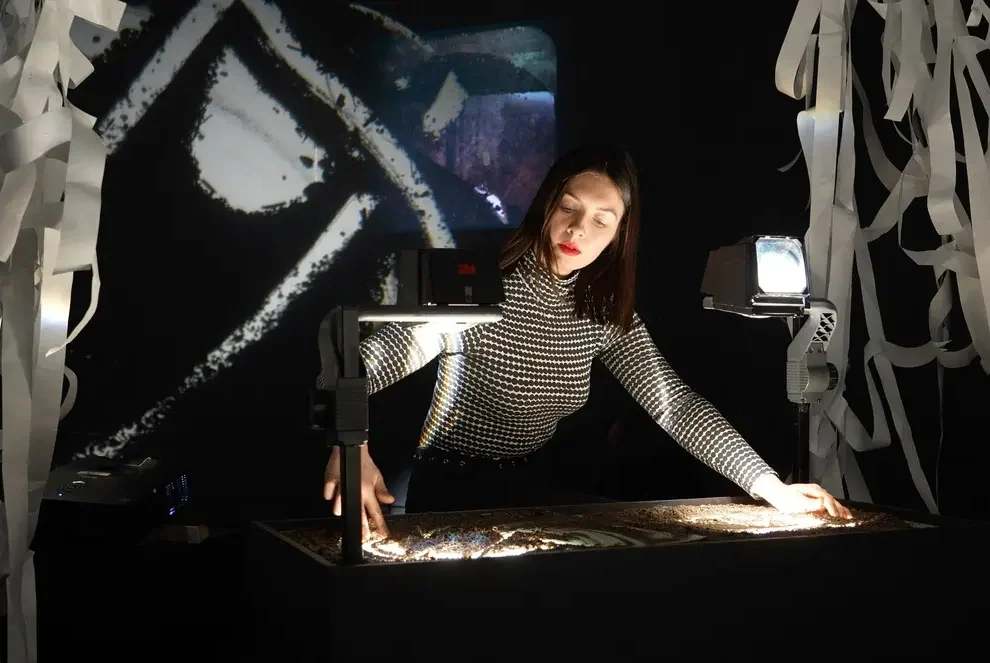
Rearranging The World
Coco Allred SMACT ’26 is an artist-educator who designs environments that foster collective art making and learning. “I view art as a meeting point, and the act of making as a form of learning,” says Allred, who has taught in the Philadelphia and Seattle public school systems. “An inquiry that can lead us to understand our relationship to a place and to one another in new ways.”
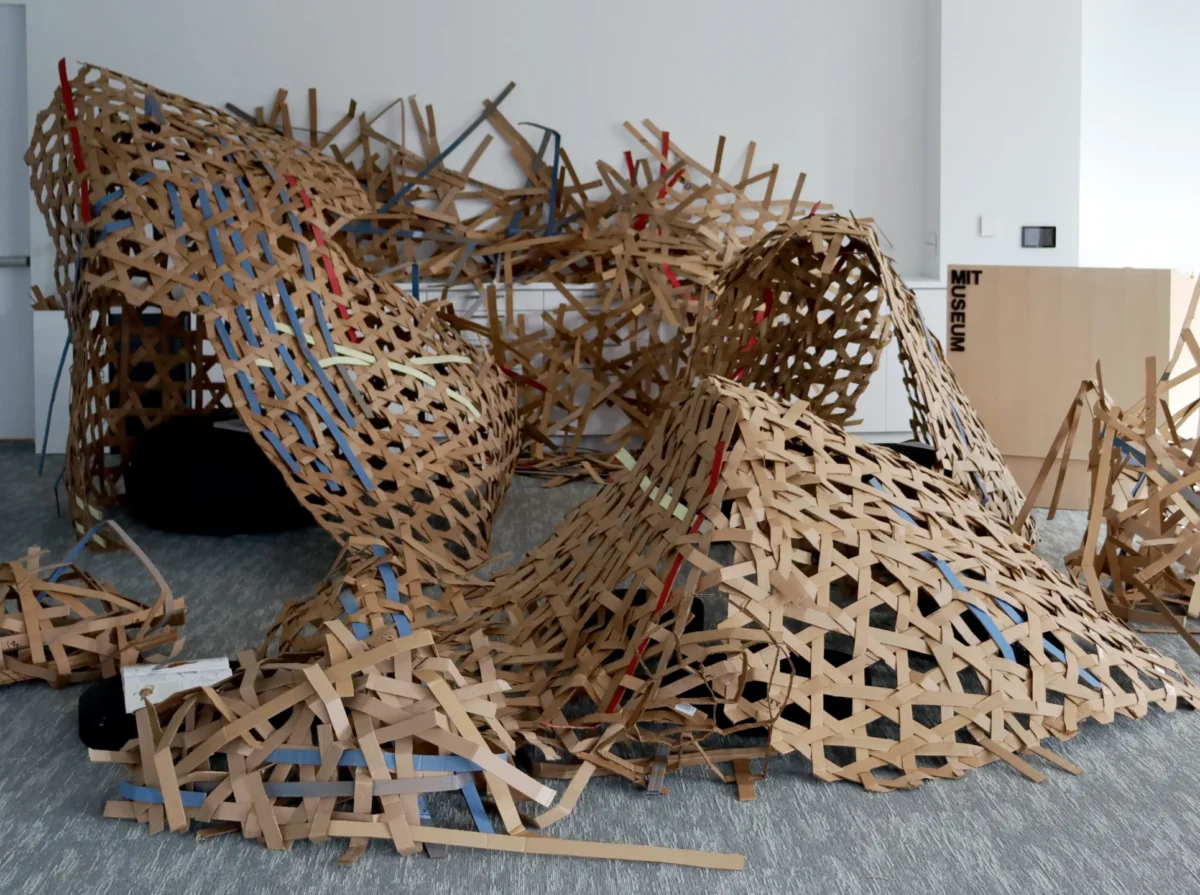
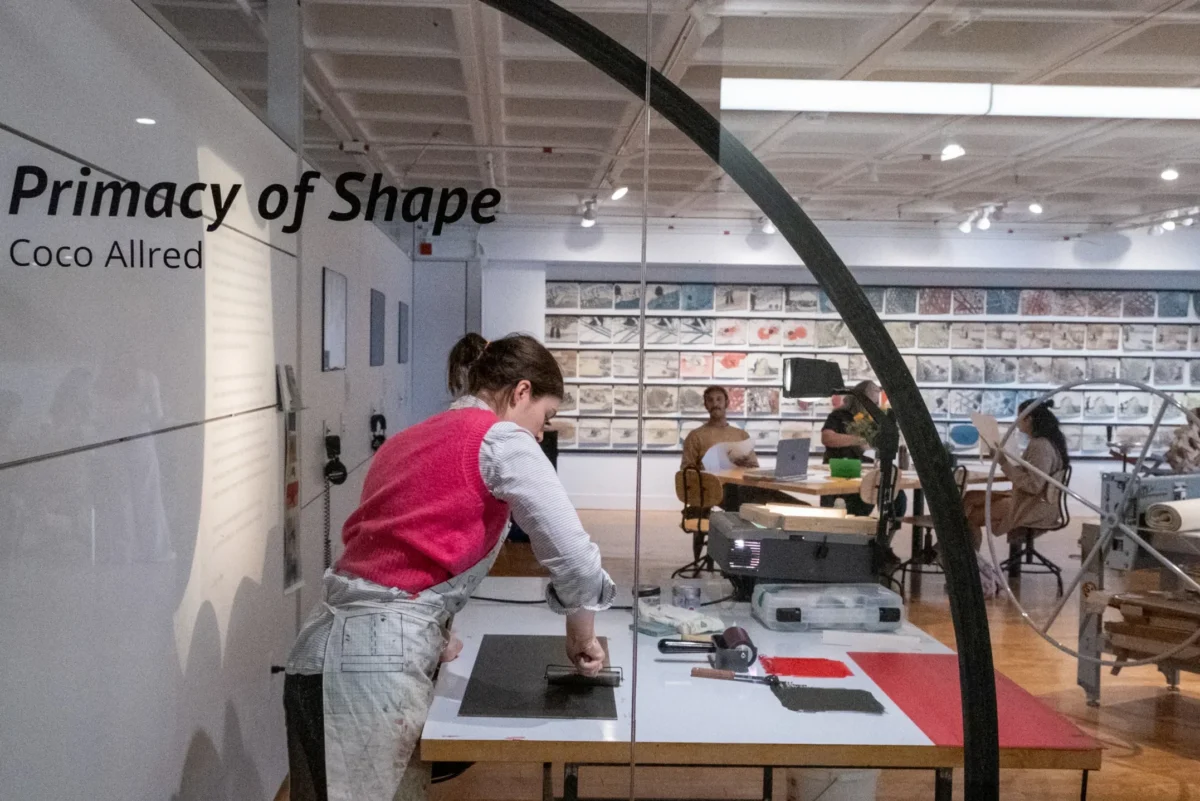
Allred inverts ideas of authorship in her interactive learning environments. Activities usually performed alone—like drawing, printing, and weaving—are instead performed collaboratively. In “You Are Your Line,” a textile workshop in Lithuania, participants embroidered linen banners surrounded by a collection of the artist’s own textile work. The project was featured at the 2025 Kaunas Biennale. . In “Primacy of Shape,” Allred integrated an artmaking workspace into the Wiesner gallery. That 2025 show introduced over 100 people to printmaking. As a child, Allred recalls, she used to rearrange the furniture in the family living room, creating forts, passageways, and other spaces for play. “This was a way for me to make sense of the world and objects around me,” she says. “And when I think about it, it’s pretty close to what I am doing now.”

Things Are Not Always As They Seem
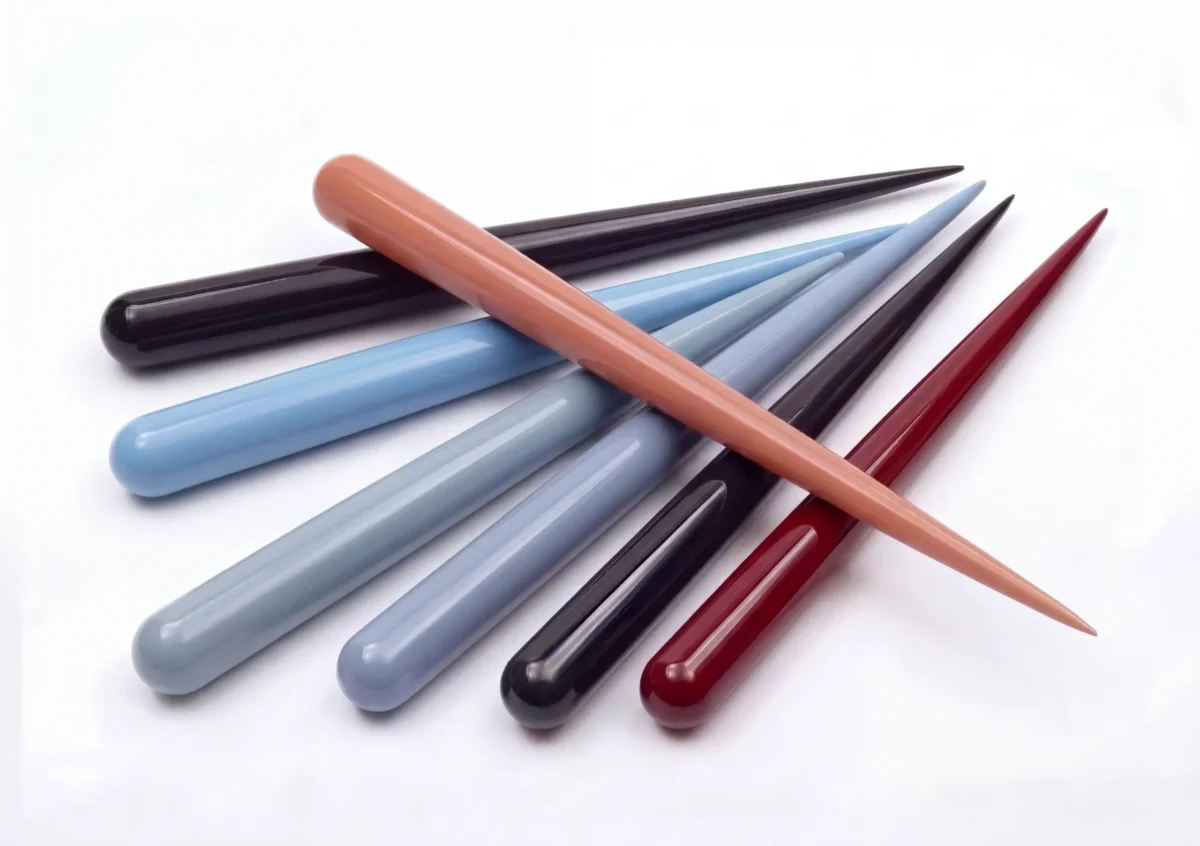
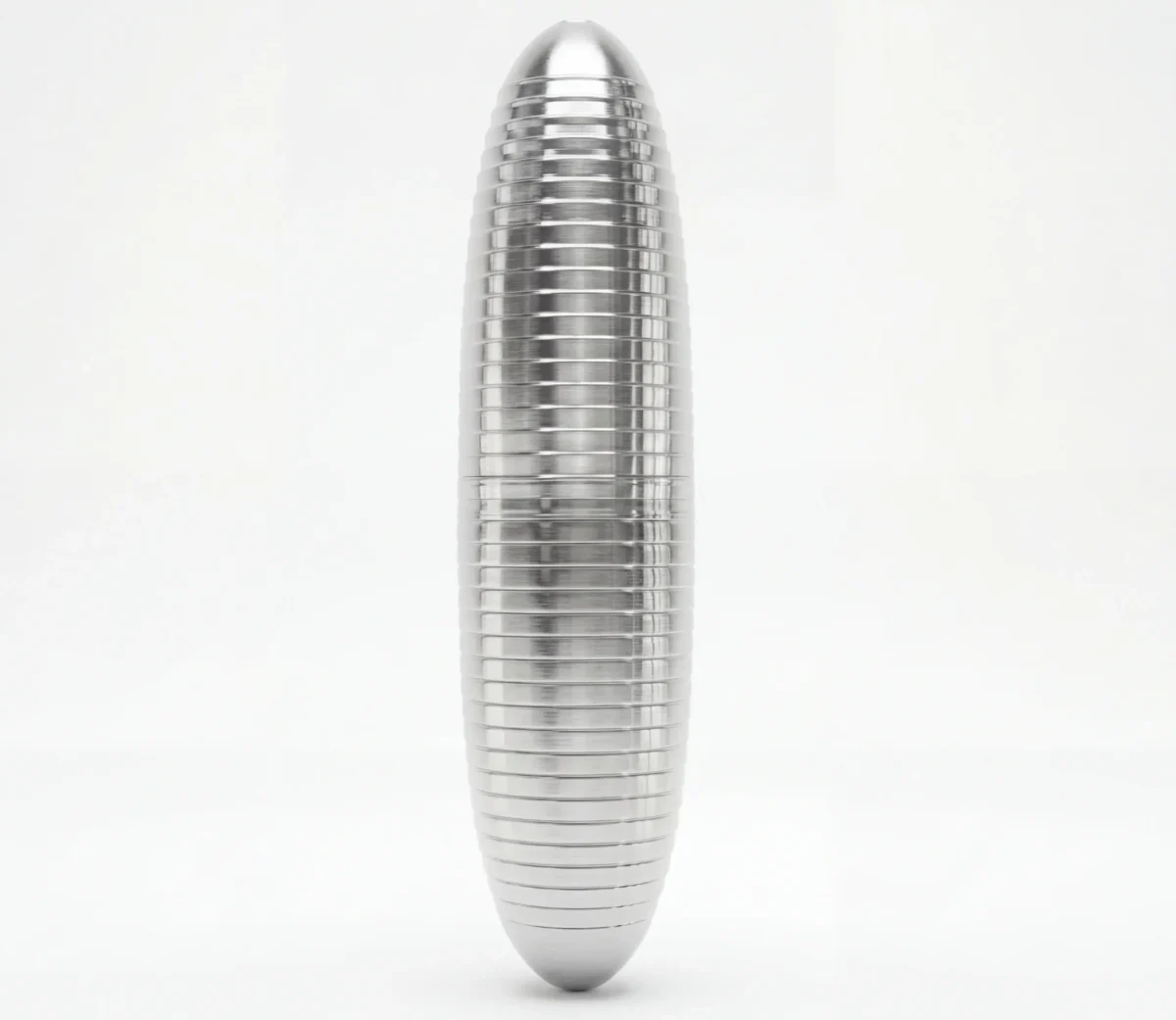
A baseball bat looks, feels, and sounds like a baseball bat. Except when it doesn’t, as in Harrison White’s MArch ’27 “Handhelds” series—a set of three shiny objects the artist fabricated using high energy processes at various MIT shop spaces. The baseball bat shaped objects—which the artist titles “Caveman Clubs”—have no end knob. Instead of wood, their surfaces are industrial lacquer. Another “Handheld” shape that first appears as a solid hot dog is actually hollow, with its metal skin supported by an intricately woven yet incredibly robust metal space frame.
White’s sleight of hand is also apparent in “Plate Armor Bench,” a chair the artist fabricated in Bahrain out of discarded strips of 20-gauge stainless steel–steel originally destined to become kitchen sinks. Here the magic occurred in the making, with White bolting strip onto strip to form a surface that resembles plate armor, and a shape that became a chair that can support three people.
“I am interested in the relationship between finish layer and subsurface thickness of an object,” White writes in his artist statement; the LA native previously worked in architectural preservation. “In other words, I try to make perfectly honed objects with alternative geometry to give the view or holder or occupier a sense of uncanny attraction when interacting with the work.”
The Council for the Arts at MIT presents several awards annually to MIT students who have demonstrated excellence in the arts.
Written by Ken Shulman
Editorial direction by Leah Talatinian